





















 EBOOK
EBOOK Insights
 Blog
Blog Tutorials
 GRASS FED
 training
 LIVES
LIVES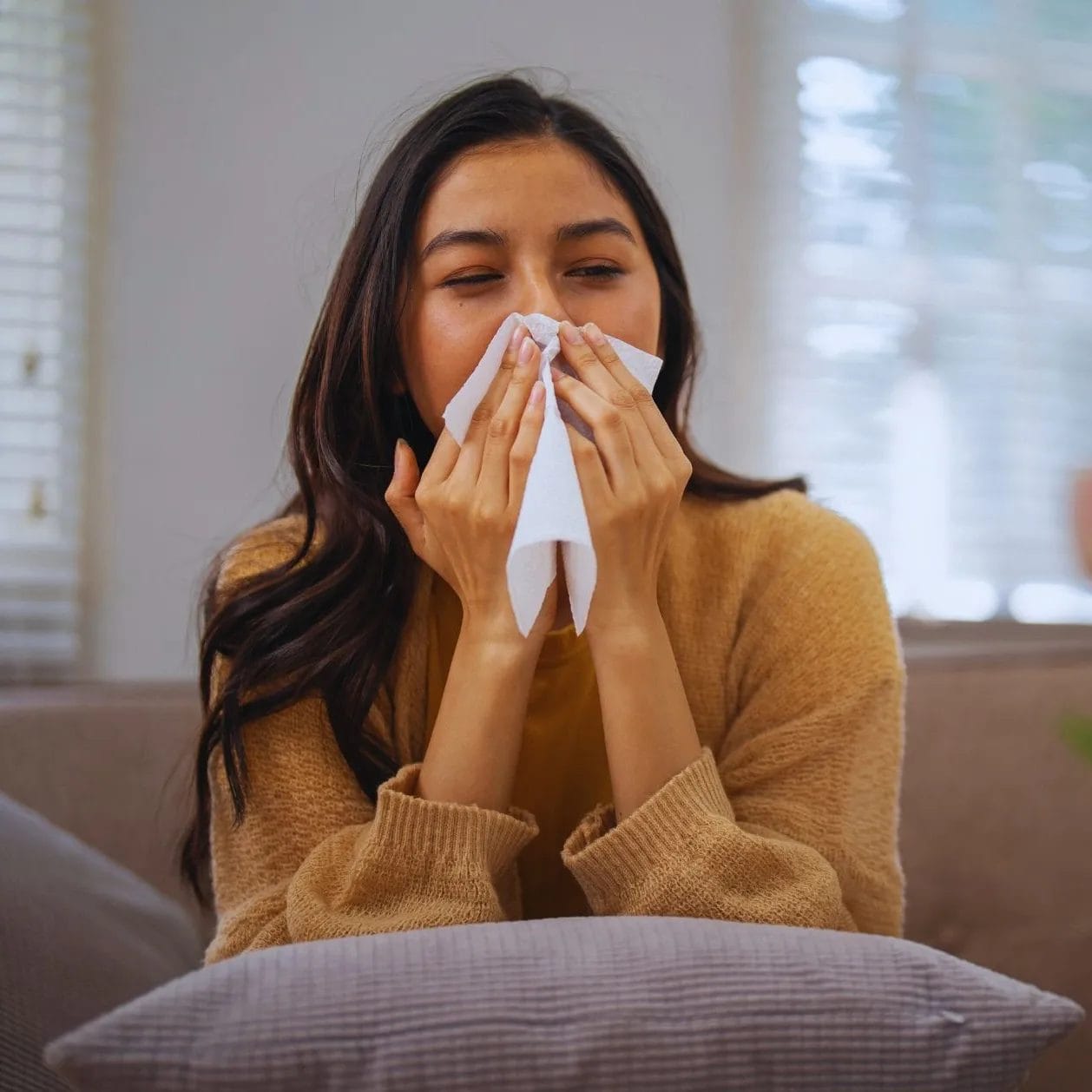
On the topic of histamine intolerance, I also point out the live with functional physician Giorgio Tabarroni, also part of the tea, HealthyWay
HYSTAMINOSIS
In the vast universe of food allergies and intolerances lies histaminosis or histamine intolerance. Histamine is a biogenic amine involved in certain functions of the body:
- makes neurons communicate (it is a neurotransmitter)
- Triggers the release of acid in the stomach to aid digestion
- is released after an injury or allergic reaction as part of the immune response.
When its levels in the blood become too high or when they cannot decrease properly they can alter many bodily functions.
Histamine intolerance is a condition characterized by a high accumulation of histamine in the blood leading to the onset of symptoms. This is why it is correctly referred to as histamine intolerance and not histamine allergy although the symptoms are very similar to those of a common allergy.
The accumulation of histamine can result from excessive dietary intake, excessive production and release in the body, or inability of the responsible enzymes to dispose of it. More often from a combination of these causes.
Let's start with the origins. Histamine is derived from the amino acid histidine through the work of an enzyme called decarboxylase. Particular bacteria that colonize foods contain this enzyme that can produce histamine. These "producing" bacteria proliferate in foods during storage and also during freezing. Therefore, it assumes a very high importance to thermally blast chill foods, which almost completely slows down the multiplication of bacteria. This is why the histamine content of foods varies with the time elapsed before the food is consumed (bacteria have more time to convert histidine to histamine). The histamine produced can only be destroyed by cooking at least 116° C for at least 90 minutes, which is why even most cooking is not sufficient to destroy it.
I foods particularly rich in histamine Are:
- Tomatoes, sauerkraut, spinach, eggplant
- Preserves (including jams and pickled vegetables)
- Ketchup and soy sauce
- Canned, preserved, marinated, salted or dried fish (sardines, tuna, mackerel, anchovies, herring)
- Smoked fish (herring, salmon...)
- Shellfish and seafood
- Sausages, salami, dried meat, smoked ham, mortadella... (processed meats: cured, smoked, dried or canned)
- Fermented and aged cheeses
- Spirits, wine, beer (especially red wine; beer is somewhere between red wine and white wine in terms of histamine content; in particular, top-fermented and dark beers are loaded with histamine; among champagnes, those prepared from red grapes)
- Wine vinegar
- Yeast
I foods that stimulate the release of histamine in the body (histamine-liberators) are:
- Alcohol (alcohol itself is a histamine-releaser)
- Chocolate/cocoa (chocolate itself has no histamine, but cocoa blocks the DAO enzyme-see below)
- Strawberry, banana, pineapple, papaya, citrus fruits (oranges, grapefruits...), kiwi, raspberry, pear, avocado (avocado is both histamine-rich and a histamine-releaser)
- Shellfish and crustaceans
- Walnuts, hazelnuts, almonds and cashews
- Egg white
- Pork and game meat
- Beans, green beans, broad beans, peas, lentils (lectins in them act as histamine-releasers)
- Coffee
- Olives (per se do not contain histamine but some varieties contain glutamates that act as flavor enhancers E 621 - E625. They block the enzymes that degrade histamine and more).
Foods low in histamine:
- fresh or frozen meat and poultry in the form of rump, cutlet, mince, fillet, etc., selected from the leanest parts and stripped of visible fat
- Fresh or frozen fish, such as cod, trout, etc. Storing fish at low temperatures can substantially slow down the synthesis of bacterial histamine
- Fresh cheese (stracchino, crescenza, fresh caciottina), cottage cheese and other dairy products, such as milk, yogurt and cream
- fruit preferably fresh such as apples, peaches, apricots, melons, persimmons, etc. Excluding the previously mentioned.
- broad-leaf vegetables (lettuce, chicory...) but also carrots, cauliflower, zucchini, cucumbers, broccoli, preferably fresh, raw or cooked. With the exception of the previously mentioned
- cereals. Consume whole-grain bread, pasta or rice every day, alternating with refined products. Potatoes are also histamine-free. However, it should be made clear that a diet rich in starch can indirectly increase intestinal histamine levels. Therefore, the following should be consumed in the right amounts
- Raw extra virgin olive oil in the right amount for seasoning food/butter
- apple cider vinegar to flavor dishes
- Water, at least 2 liters of fluids per day (preferably natural oligomineral water)
Enzymes that degrade histamine
It is necessary at this point to digress into the enzymes that degrade histamine. The enzymes involved in the catabolism of the molecule are the intracellular HNMTs (histamine N-methyltransferase) and extracellular DAOs (Diamine oxidase). The latter are mainly responsible for histamine degradation. They are found in the small intestine with increasing activity from the duodenum to the ileum.
Histamine can cause harm not only if taken in excess but also if the enzymes that degrade it are deficient.
Factors inhibiting DAOs
Causes that lower DAO enzyme levels include gastrointestinal diseases, primarily including the leaky gut syndrome but also the chronic inflammatory bowel disease. Many drugs can block the production or function of DAOs (anti-inflammatories, antidepressants, diuretics, antibiotics, prokinetics, mucolytics, neuroleptics, and others). There are also DAO-blocking foods.
These again include ethyl alcohol, black, green and mate tea, many energy drinks.
Chronic stress can also cause histaminosis, through impairment of the balance of the intestinal microbiota with decreased levels of DAO and with alteration of the intestinal membrane (with increased passage of histamine from the intestinal lumen into the circulatory stream).
Symptoms of histamine intolerance
Nasal congestion (stuffy nose), rhinitis, asthma and dyspnea (respiratory symptoms), itching, hives and flushing (skin symptoms), abdominal pain, diarrhea, flatulence, dyspepsia, heartburn (gastrointestinal symptoms), insomnia, headache or migraine, nausea, vomiting and dizziness (neurological symptoms), joint and tendon pain (rheumatologic symptoms).
If 2 or more symptoms occur after eating foods containing large amounts of histamine, histaminosis is suspected.
These symptoms classically do not respond to the use of antihistamines, as histamine does not have an allergy-like etiopathogenetic mechanism. Antihistamines block only some histamine receptors, and histamine at high concentrations is able to activate other receptors as well. This is a clue to the correct diagnosis.
Headache, nausea, dizziness, and loss of appetite are also typical symptoms of acute alcohol abuse. Well what occurs in this case is precisely acute histamine intolerance.
Diagnosis
In order to make a correct diagnosis, the physician must first rule out food allergies (through total IgE assay and by performing Prick test). Excluding allergies, other important red flags such as gastrointestinal bleeding and chronic inflammatory bowel disease should always be ruled out (by assaying CBC, ESR, CRP, ferritin, fecal calprotectin, fecal occult blood, esophagogastroduodenoscopy and colonoscopy if necessary). Finally, it remains to rule out another (admittedly quite rare) condition called mastocytosis (by assaying serum tryptase, an enzyme present in mast cells).
Once these conditions are ruled out, blood histamine can be assayed. High values in themselves are already diagnostic, but a counter test can be made by re-dosing histamine after 14 days on a low-histamine diet. If this has decreased appreciably, and is accompanied by a decisive improvement in symptoms, the 9 test is done.
Another test to evaluate is the DAO test. This assesses the amount and activity of the DAO enzyme through a blood draw.
In case of a result 10 U/ml, DAO enzyme activity is in the normal range.
Diagnosis having been made, therapy will always be etiologic: remove the triggers of histaminosis. They are in most cases alcohol abuse, chronic drug use (when they can be removed), chronic stress, SIBO.
Thereafter, it is recommended to do a low-histamine exclusion diet (for 14-28 days), followed by a progressive reintroduction diet of histamine or histamine-releasing foods.
As a supplement, for those with low enzyme activity, DAO-based preconstituted enzymes can be used. Various alternatives are commercially available; these are enzymes to be taken just before main meals.
For all, it is important to restore the correct values of micronutrients that serve as cofactors of DAOs. They are vitamin B6 and B12 in methylated form, iron, vitamin C. They need to be dosed and supplemented.
There are also cofactors of HNMTs in peripheral organs. These again include B vitamins in methylated form and SAME (S-Adenosyl Methionine).
Last but not least is the critical role of restoring gut eubiosis. Many bacteria have been studied in histaminosis, but restoring good microbiome health essentially requires having a varied diet rich in fiber (the fuel for microbial flora). Spending more time outdoors in nature also promotes the biodiversity of the microbiome.
In conclusion, it is worth specifying that there are temporary histamine intolerances, for example, due to food poisoning with high doses of histamine from food that has not been well preserved.
In any case, the use of DAO enzymes and low-histamine diet constitute therapy.
Final recommendations
Finally, for completeness of information I list some practical tips to avoid incurring histamine intolerance:
- Quit smoking (smoking acts as a histamine-releaser)
- Maintain an active lifestyle (walking, dancing, playing, cycling, regular physical activity)
- Trying to maintain a healthy weight and eliminate excess pounds
- Avoid exposure to excessive heat (heat is a histamine trigger)
- Try to avoid emotional stresses





hello everyone.
I am a 75 year old lady with psoriasis and for the last couple of months I have been following Ms. Elena's videos and the information she brings interviewing so many doctors and nutritionists which has me so excited and also seeing the love and passion she puts into her work I felt that to thank her for all she does for us I have no choice but to try her products which I am sure will be special. I live in Switzerland and to avoid paying customs I put a German address which then my daughter who lives at the border picks it up. I hope to receive the goods as soon as possible because I can't wait to taste them. kind regards to you and with love to Mrs. Elena
Thank you Leonarda! Please don't call me a she. Elena