





























 EBOOK
EBOOK Insights
 Blog
Blog Tutorials
 GRASS FED
 training
 LIVES
LIVES
THE DANGERS OF LINOLEIC ACID
You can also find this in-depth study in video, so you can listen to it while doing something else.
FOREWORD
Let us always remember that we are ignorant. Human beings of 2500 will look at our scientific knowledge and find it backward and ignorant. We view the conscences of the 1500s in the same way.
Populations that still live ancestrally have a very low consumption of linoleic acid and enjoy excellent health. We must be honest, however, these populations have many other things that promote their health:
- They do not consume processed food
- They stay outdoors a lot
- They are not susceptible to environmental toxins
- They move around a lot
- They have excellent social relationships
- Their lives follow natural rhythms
INTRODUCTION
This in-depth study begins with a story, that of Fred Kummerow, one of those human beings I call a "change maker": a person who changes things. Today, unfortunately, people are convinced that things cannot be changed. Not so: things do change, but only when there is someone who invests time and resources to make them change.
In the 1950s, biochemist Fred Kummerow found large amounts of trans fats in the arteries of people who died of heart disease. To figure out what the cause was, he performs experiments with mice: if fed trans fats they develop atherosclerosis, whereas if the trans fats are removed, the atherosclerosis goes away.
He published his first research on the link between trans fats and atherosclerosis in 1957, but despite the evidence he continued to accumulate over the next few decades, the alarm went unheeded.
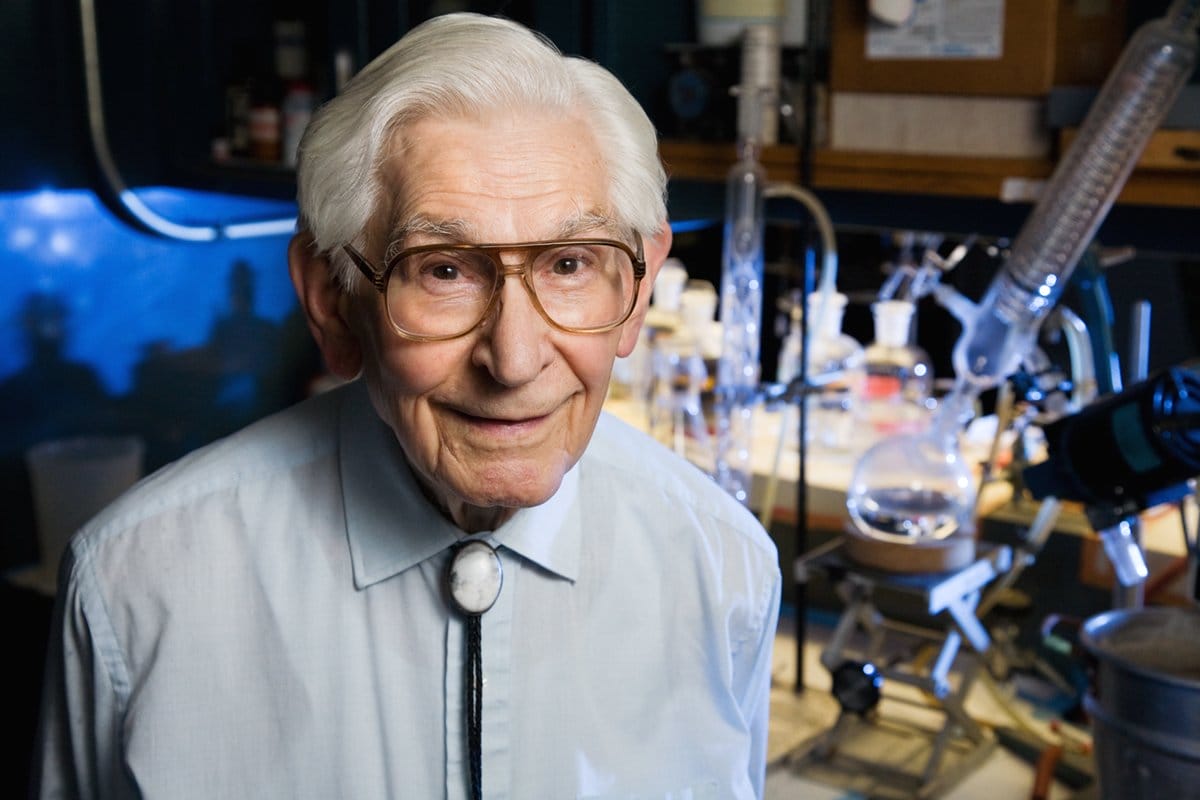
Finally in 2006, the FDA mandated that the trans fat content be listed in the nutrition table. But that was not enough. So in 2009 Kummerow, at age 94, files a petition with the FDA demanding that trans fats be removed from the diets of Americans. No one responds to him and so in 2013 Kummerow (at age 98!!!) sues the FDA and magically three months later the FDA finally announces its plans to eliminate trans fats as "not considered safe for human health."
After 60 years, finally in June 2018 Fred Kummerow won his battle! Fred Kummerow was an extraordinary man who worked in his laboratory until the age of 101. In addition to his fight against trans fats, he also helped discover that one of the real culprits in cardiovascular risk is oxidized cholesterol.
Why did I tell this story? Because in 1977 we were told that to live healthy we should replace that bad boy butter full of saturated fat, with margarine. After 40 years, however, they realized that margarine was full of trans fats responsible for coronary heart disease, atherosclerosis and brain stroke... (1,2,3)
Could they have been wrong with seed oils as well? That of margarine is just one of countless examples where human beings have made a mistake in judgment-think of asbestos, just to give one example.
The moral of the story is: we always try to use our heads, critical sense and common sense. When in doubt, I rely on evolution, here's an example: how is it possible that animal fats, consumed by humankind for millions of years, are the culprits of diseases born in the last 100 years?
WARNING: Trans fats that are harmful to our health are only those formed in industrial processes to create hydrogenated fats. The trans fats naturally found in breast milk, dairy products and beef are not harmful, on the contrary. For example, it has been seen that vaccenic acid (contained in breast milk and in meat and milk of ruminants) increases the lymphocyte capacity to kill cancer cells (4).
In Europe, the maximum allowable content of harmful trans fats is 2 g per 100 g of product. So you need to pay attention to labels and avoid products that contain hydrogenated fats in the ingredient list.
SATURATED FATS ARE INNOCENT
Until 2014 I rarely consumed butter-I was convinced it was bad for me because it contained saturated fat. On the other hand, this was what people had been told since 1977 when the first dietary guidelines were published. I wonder how we survived for 2.5 million years without guidelines... 😉
Then in 2014 I discovered Dr. Dominic D'Agostino's Ted Talk "Starving cancer" and I began to delve into what this ketogenic diet was that made cancer disappear in animals. I delved into it by reading books (I have listed a few at the bottom), the first being The Bulletproof Diet by Dave Asprey, the inventor of Bulletproof Coffee, and listening to hundreds of hours of interviews with doctors and nutritionists. That year also saw the release of a Credit Suisse monograph "Fat: a new helath paradigm": analyzed more than 400 scientific studies and books on the subject of fat and concluded that saturated fat was not the cause of cardiovascular disease.
After gathering so much evidence in favor of saturated fats, I had changed my mind: they were the best fats I could consume. So, to my immense delight, I started eating butter, eggs, and cream again!
On that occasion I learned that unfortunately science is not always transparent and that in the end researchers are human beings with their own biases and weaknesses. The real scientists, those who seek the truth and don't care if it disproves their initial hypothesis, are very few indeed.
On this issue I tell the story of two studies carried out around the 1970s that were not published because "the results were not what we expected" (words of one of the researchers). In those years, most of the scientific world was convinced that the consumption of saturated fat was the cause of atherosclerosis and thus cardiovascular disease. These two studies proved the exact opposite and therefore were not published.
The first study is the Minnesota Coronary Experiment (5) conducted between 1968 and 1973 on 9,423 patients admitted to nursing homes and psychiatric hospitals. This study has a very high value of scientific evidence because the patients were required to consume exactly the intended diet of the experiment as they were hospitalized.
The lipid hypothesis states that lowering cholesterol achieved by replacing saturated fats with vegetable fats decreases cholesterol deposition in the arteries, atherosclerosis, cardiovascular disease, and thus increases survival. There have been several randomized controlled trials showing that replacing saturated fats with vegetable fats lowers cholesterol, but no study has shown that this reduces cardiovascular disease and mortality.
In the Minnesota Coronary Experiment, the cholesterol-lowering diet included a 50% reduction in saturated fat in one group and a 280% increase in omega-6 linoleic acid compared with the other group.
Result? On the cholesterol-lowering diet, cholesterol lowered, but mortality increased.
The second study is the Sidney Diet Heart Study (6) conducted between 1966 and 1973 among 458 men aged 30 to 59 who had recently suffered a coronary event. Again, in one of the two groups saturated fats were replaced with safflower oil and margarine (which contains 75% linoleic acid).
Result? Even in this experiment. Replacing saturated fats with linoleic acid increased mortality. And even then the results were not published because they were contrary to what the researchers expected.
In my opinion, this attitude is anti-scientific. A scientist should have interest only in truth and not in being right. If these studies had been published probably the war on saturated fat would never have started and maybe our health would be better today.
These studies were only published around 2010 (so about 40 years later) thanks to the work of Christopher Ramsden of the NIH who published them in the prestigious British Medical Journey.
THE BIRTH OF SEED OILS
Before 1866, the Western diet consisted mainly of saturated fats. In the West animal fats such as lard, tallow (beef fat), mutton or lamb fat, and butter. While in the East cold-pressed vegetable fats, coconut oil, and palm oil.
Seed oils, commonly consumed today, did not exist before the late 1800s. Today, however, seed oils, are among the most widely consumed foods in the world after rice and wheat: they make up 20% of our daily calories (7).
They entered our diet only 100 years ago, and in that time chronic diseases have skyrocketed. Coincidence? Today, a great many doctors and researchers say that the excess of omega-6 in our diet (caused by the consumption of seed oils) is one of the main causes of chronic diseases.
In fact, between 1959 and 2008 alone, the concentration of linoleic acid in the adipose tissue of Americans increased by 136% (8).

For every 1 kg increase in annual per capita intake of linoleic acid, the concentration in adipose tissue increases by 2%. Because the half-life of linoleic acid in adipose tissue is about 680 days, changes in linoleic acid intake take several years to result in such a large increase in adipose tissue. The half-life is the time it takes for the concentration of a substance in the body to decrease by 50%.
Before seed oils were considered a food, they were used as a fuel oil or lubricant.
Until the mid-1800s, the fuel grease used in most of the world was whale oil, then came cheaper fuels such as kerosene, and an alternative also needed to be found for lubricating the machinery of the Industrial Revolution: thus cottonseed oil was born.
The problem is that in 1911 Procter & Gamble made it into a food: it launched a hydrogenated cotton oil product, Crisco, the world's first margarine. It contained 50% trans fats...
Popular Science magazine writes, "What was garbage in 1860 became fertilizer in 1870, cattle feed in 1880, and table food in 1890" (9).
THE 'EXCESS OF OMEGA-6 LINOLEIC ACID
The problem with seed oils is the high presence of linoleic acid, omega 6, the excess presence of which we now know is inflammatory.
Throughout evolution, humans have consumed omega 3 and omega 6 in a ratio of about 1:1. However, in the last century or so, this ratio has changed dramatically in the Western diet to 1:20, and even beyond (10).
Historically, linoleic acid intake has increased from about 2 g/day in 1865 to 29 g/day in 2008, an increase of 1.350%!!! Linoleic acid caloric intake was about 1% of total caloric intake in 1865 but increased to 25% in 2010, an increase of 2,400!!! (11)
BUT AREN'T OMEGA-6S ESSENTIAL?
Essential fatty acids are omega 3 and omega 6, as the human body cannot produce them and needs them for certain functions.
In Italy, the guidelines (12) recommend taking between 4 and 8% of daily energy from omega 6 and between 0.5 and 2% from omega 3. In contrast, the American guidelines (13) recommend between 1.1 and 1.6 g per day of omega 3 and between 4.4 and 6.4 g per day of omega 6, so as to keep the omega 6:omega 3 ratio at 4:1.
The difference on omega 6 is large: on an energy requirement of 2,000 calories, between 4 and 8% of calories from omega means 8.8 to 17.6 grams, while in America at most 6.4 g for men and only 4.4 g for women.
Unfortunately, here again America proves to be ahead of us. The other striking case is the removal of the daily limit of 300 mg cholesterol from the 2015 Dietary Guidelines (14), while in Italy, almost 10 years later the limit remains. The most serious thing is that the reason for sui was removed is, "Available evidence shows no relationship between dietary cholesterol consumption and blood cholesterol levels."
Have those who draft our guidelines not yet realized that there is no evidence? How many more years do we have to wait? Most importantly: they have been telling us for almost 50 years that eating cholesterol raises blood cholesterol, and now they realize there was no evidence available?
I hope people begin to understand where my skepticism toward dietary guidelines stems from: they are not based on scientific evidence, but on personal beliefs supported by epidemiological studies interpreted with personal bias. I am sorry, but that is the sad reality. And anyone willing to take the time to look into it objectively will unfortunately come to the same conclusions as I have.
LINOLEIC ACID: HOW MUCH DO WE NEED?
The first demonstration of the essentiality of linoleic acid was obtained by Burr and Burr in 1929-1930.
However, a thorough review of the data used to establish the essentiality of linoleic acid in the diet revealed that this conclusion was based on control diets not only deficient in omega-6 fatty acids, but also in omega-3 fatty acids. This double deficiency in control diets seems to invalidate the determination of the omega-6 fatty acid requirement.
Subsequent studies have shown that omega-3 fatty acid, is able to reduce the symptoms of linoleic acid deficiency. This raises questions about how "essential" linoleic acid really is in the human diet, especially since, it is virtually impossible to avoid ingesting enough of it in current diets.
This chapter was extracted from thearticle (15) by Dr. Joseph Mercola on linoleic acid.
THE PROBLEMS OF LINOLEIC ACID
Before the 20th century, average linoleic acid intake was less than 2% of total calories but current consumption exceeds 25%. Linoleic acid consumption at these levels reduces metabolic rate and increases oxidative damage to tissues, making us more susceptible to chronic diseases. Consistently high intake also likely accelerates the biological clock, leading to premature aging.
The main reason why a excess of linoleic acid causes damage to cell tissues is the ease with which it is oxidized, due to the presence of double bonds. For a better understanding of this aspect, I refer to the in-depth study "saturated and unsaturated fats".
Oxidation of linoleic acid leads to the formation of oxidized linoleic acid metabolites (OXLAM). Fat oxidation (technical term lipid peroxidation) is known to be associated with several chronic diseases. This process is not only related to linoleic acid, but to any fat that is easily oxidized, thus unsaturated fats. Saturated fats, having no double bonds, are VERY stable to oxidation.
The accumulation of molecules formed from fat oxidation affects cellular functions, from proliferation to apoptosis to necrosis, depending on the concentration. Metabolites formed from the consumption of seed oils have been associated with:
- mitochondrial dysfunction
- inflammation
- endothelial damage
- memory deficit
- Alzheimer's
- Reduced glutathione levels, thus lower antioxidant defenses
- Insulin resistance in fat cells
- Inhibition of cardiolipin, a fat located in the mitochondria
- Reduction in the ability to convert plant omega 3 into EPA and DHA
The fact that linoleic acid remains in the body for long periods makes it worse. The half-life of linoleic acid is about 680 days. This means that it takes about six years to replace the 95% of linoleic acid in the body with healthy fats.
CURIOSITY: You will hear that omega 3 is also found in vegetables. Actually, most vegetables contain the precursor, ALA, of the omega 3s needed by our bodies: EPA and DHA. The conversion process from ALA to EPA and DHA is inefficient, only 5%. The only real plant source of EPA and DHA, are algae. In fact, algae are also the reason why fish contain EPA and DHA.
IMPORTANT as is often the case, it is the dose that makes the poison: modest amounts of linoleic acid support human health, excessive intake creates problems.
This chapter was extracted from thearticle (15) by Dr. Joseph Mercola on linoleic acid.
LINOLEIC ACID AND CHRONIC DISEASES
The physician who has spoken out most about the problems associated with excess linoleic acid is Dr. Chris Knobbe. His book The ancestral diet revolution clearly and comprehensively lays out the whole issue. One can also find a great many of his talks on Youtube.
Oxidative stress, tissue damage, and mitochondrial dysfunction due to excess linoleic acid are not only responsible for the onset of cardiovascular disease and Alzheimer's disease, but also for other chronic diseases such as cancer, dementia, obesity, and diabetes, which are also associated with oxidized metabolites. There are currently conflicting positions regarding the associations between linoleic acid intake and many of these chronic diseases, so let's go to analyze the possible mechanisms of action. Between all these diseases and increased linoleic acid intake there are correlations that are amply detailed in Dr. Knobbe's book. WARNING I would like to remind you that "correlation doesn't mean causation" meaning: even if two things are correlated, it does not mean that one is the cause of the other. What I do think, however, is: we have lived millions of years without seed oils, so when in doubt that they may be harmful, best to avoid them.
Obesity: could be due to the increased insulin resistance of fat cells caused by linoleic acid. Clearly there are many other factors as well: sedentary lifestyle, excess processed foods, environmental toxins, etc.
Cardiovascular disease: mechanism of action could be related to oxidized metabolites that oxidize LDL. Oxidized LDL is now recognized as a major cause of cardiovascular disease.
Cancer: oxidized metabolites damage mitochondria. There is evidence to show that excess linoleic acid increases the risk of developing skin cancer. In addition, it appears that polyunsaturated fats turn inert substances into carcinogens.
This chapter was extracted from thearticle (15) by Dr. Joseph Mercola on linoleic acid.
THE FATS RICHEST IN LINOLEIC ACID
Now let's look at which fats are the richest in linoleic acid (15)

If we want to have a diet low in linoleic acid:
- seed oils are to be avoided
- olive oil depends on the cultivar
- Avocado oil, palm oil and lard consume in moderation
- Tallow, butter and ghi are okay and also contain vitamins A, D and K
- ok coconut oil
Reflection on olive oil: the variation is huge, in this graph (16) we see that the linoleic acid concentration of 36 different cultivars, it ranges from 3.3% to 27%!

Cattle fat: as you can see, the amount of linoleic acid between intensive farming and pasture farming does not change much. How come?
Ruminants have low levels of linoleic acid in both meat and milk, regardless of what they eat. This happens because their stomachs have a "biohydrogenation chamber" that contains bacteria that can convert high linoleic acid fat into saturated and monounsaturated fats. This is in contrast to animals with only one stomach, such as chickens and pigs, which, when fed a diet rich in linoleic acid, such as corn and soybeans, show increased levels of linoleic acid in their tissues similar to the process observed in humans.
The ability of the biohydrogenation chamber to efficiently convert high linoleic acid fat into saturated and monounsaturated fats is well known, as the difference in linoleic acid in ruminants fed exclusively on grass versus those fed on corn and soybeans is about 0.5%. This is the reason why, from the point of view of linoleic acid intake, there is not much difference between beef from intensive livestock farms and beef fed exclusively on grass. Grass-fed cattle make a life more aligned with their nature, but nutritional level, there is not that much difference with intensively raised beef. And no, intensively raised meat does not contain hormones because the use of hormones in livestock production in Europe has been banned since 1988 (17).
As for monogastric animals, the issue is different: they are like us, unable to convert linoleic acid, which then goes to accumulate in adipose tissue. Even if chickens and pigs are fed organic feed, they generally contain significant amounts of linoleic acid, and thus most chicken and pork contain more than 25% linoleic acid.
I would like to bring attention to sunflower oil: it contains as much as 78% linoleic acid! Sunflower oil is what is usually used in the production of industrial mayonnaise. I love mayonnaise and every time I ate it I felt guilty because I was aware that I was introducing something into my body that would harm it. That is why I created Better Mayo, without seed oils and with 78% of MCT oil, which is made up only of saturated fats and is therefore very stable to oxidation.
LINOLEIC ACID AND DRIED FRUIT
Dried fruits and seeds are called healthy foods. I thought so too, when I later found out that they contain antinutrients (because they are seeds) and high amounts of linoleic acid (15), I understood why many people feel better after eliminating them from their diet.

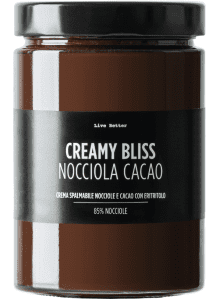
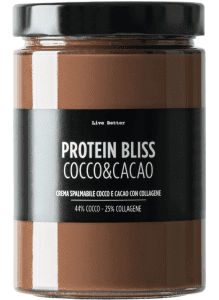
The best dried fruit in terms of linoleic acid is macadamia, and that is the reason we created Creamy Bliss macadamia, it is the dried fruit-based spread with the least amount of linoleic acid. Protein Bliss, being coconut-based also contains very little linoleic acid.
HOW DID THE WAR ON SATURATED FAT COME ABOUT?
The concept that saturated fat causes cardiovascular disease by raising blood cholesterol is called the Diet-Heart hypothesis. This hypothesis is the basis for almost all dietary guidelines worldwide that mandate limiting saturated fat consumption as a measure to avoid cardiovascular disease. Over the past 14 years, a great many scientific articles have shown that saturated fat has no effect on cardiovascular disease or total mortality. However, national dietary guidelines have not recognized this new approach on saturated fats and continue to promote policies based on outdated or insufficient evidence.
The Diet-Heart hypothesis was first proposed in the 1950s by Ancel Keys, a physiologist at the University of Minnesota with an interest in nutrition. Keys believed that high blood cholesterol levels caused fatty deposits that went on to clog arteries causing heart attacks. Keys had observed that less affluent populations in Sardinia, Naples, and Spain seemed to suffer lower rates of heart attacks and consumed diets low in saturated fats, such as meat and dairy products. So Keys hypothesized that saturated fats increased cholesterol and that this caused heart disease: the Diet-Heart hypothesis.
Keys was as described a highly persuasive, even aggressive person, and these characteristics may have contributed, at least in part, to his idea overcoming competing hypotheses to become the dominant paradigm in explaining cardiovascular disease for the next 70 years.
One authority Keys managed to win over was Paul Dudley White, an influential cardiologist and personal physician to President Dwight D. Eisenhower. When Eisenhower had the first of several heart attacks in September 1955, Keys' ideas were promoted by White in the national spotlight. White clearly stated that diet was to blame; Eisenhower embarked on a new regimen, low in cholesterol and saturated fat.
The second authority to adopt the Diet-Heart hypothesis was the American Heart Association, of which Dr. White was one of the founders. The AHA had shied away from advising on heart disease prevention, citing a lack of evidence; however, in 1960, Keys was appointed to the association's nutrition committee and a year later, although without new scientific evidence, convinced his colleagues to recommend his idea as official AHA policy. Thus it was, that from 1961 onward, the AHA recommended reducing the consumption of saturated fats by replacing them with polyunsaturated vegetable oils to prevent heart disease.
This nutrition policy is the most influential ever published: adopted first by the U.S. government in 1977, then by governments around the world and even by the World Health Organization.
IMPORTANT: The American Heart Association had a significant conflict of interest, as in 1948 it received $1.7 million, about $20 million today, from Procter & Gamble, the makers of Crisco margarine. Seed oils, such as Crisco, benefited from this recommendation, as Americans' consumption of these oils increased by almost 90% from 1970 to 2014.
This chapter is a translation of a part from thearticle by investigative journalist Nina Teicholz, author of the beautiful book The big fat surprise.
THE SEVEN COUNTRIES STUDIES
The Seven Countries Study led by Keys, was considered the foundation of evidence for the Diet-Heart hypothesis. Launched in 1957, the study followed about 12,770 men in 16 locations in seven countries-Italy, Greece, Yugoslavia, Finland, the Netherlands, the United States and Japan. Keys knew that choosing these countries would likely confirm his hypothesis. He did not, for example, include France, where people consumed a large amount of saturated fat but had low rates of heart disease, which is why it was called the "French paradox." Keys' selection of nations seems artfully done to prove her hypothesis.
In 1975, when Keys published his results, a strong correlation emerged between saturated fat consumption and deaths from heart disease. However, there were numerous shortcomings in data collection.
In 1989, a reanalysis of the Seven Countries Study data by some of the study's original researchers found that coronary mortality correlated better with "sweets" than with saturated fat. If the sweet category had also included chocolate, ice cream and soft drinks, it is possible that the correlation would have been even stronger.
Ultimately, as is often the case with epidemiological studies, the data from the Seven countries study could only show an association, not a cause and effect relationship. The results of the Seven Countries Study have never been independently analyzed, and most subsequent studies using similar approaches have failed to confirm its conclusions.
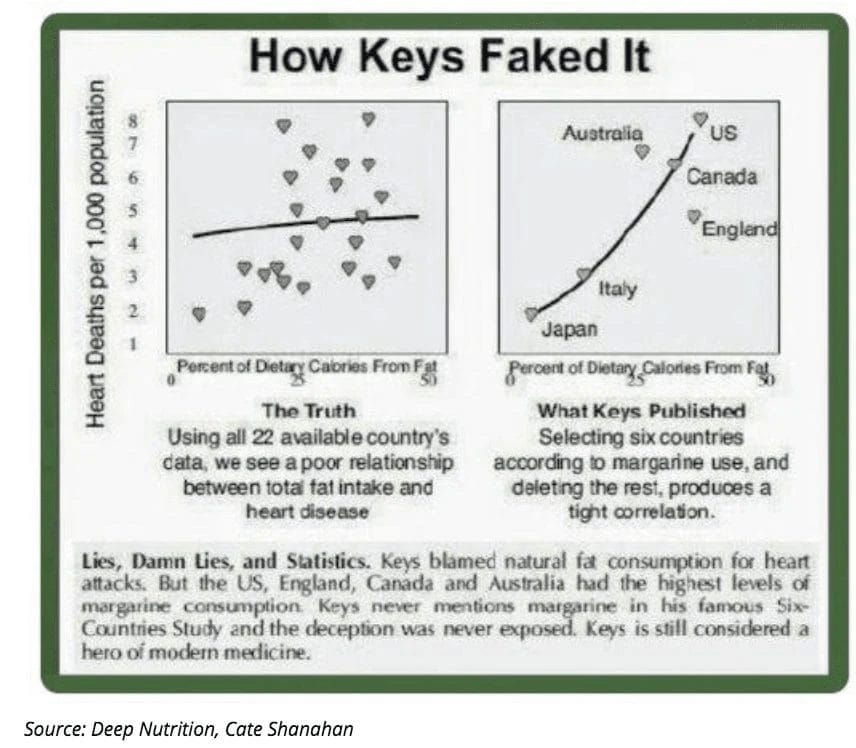
In this image from Dr. Cate Shanahan's book Deep Nutrition, we can see that if Keys had considered the available data from 22 countries, no correlation between saturated fat consumption and cardiovascular disease would have emerged. To choose the seven countries that would have proved her hypothesis is to make a purposeful selection to get the desired result. And there is nothing scientific about this approach.
This chapter was excerpted in part from thearticle by investigative journalist Nina Teicholz, author of the beautiful book The big fat surprise.
CONCLUSIONS
In life we will often be faced with experts who affirm white and other experts who affirm black. What to do in those situations? Do we flip a coin to decide who to believe? For me, the answer is "definitely NO!" If the topic is of great interest to me, I find time to look into it and once I have gathered enough data, I use my critical sense, logic and common sense to draw MY conclusion.
On the other hand, if it is a topic that I am not very interested in, I rely on the knowledge I have accumulated to date and use critical sense, logic and common sense to take a position.
Throughout history, attempts have always been made to induce the people to believe the narrative that suited the ruling class. In earlier millennia it was very easy because most of the people were illiterate and even when they were not, finding information was very difficult.
Today we are in the opposite situation: there is too much information and we no longer know what to believe. The solution, however, is there; of course it requires some effort, research and reflection. But how do we want to live our lives? Follow instructions without asking ourselves any questions or in a conscious way? Let each person make his or her own choice.
Live Better was born to bring awareness. So my choice is self-evident.
Knowledge makes one free.
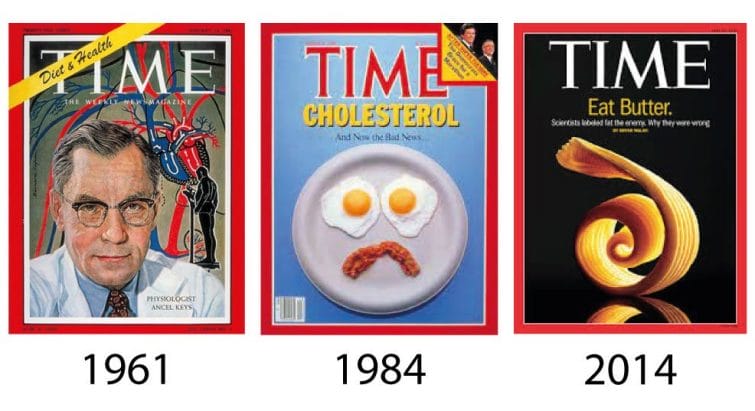
I close with this emblematic image: how the position of the media changes over time. The one on the 1961 cover is Ancel Keys.
The bibliography can be found at the bottom
To explore the topic of cholesterol further, I recommend these insights On our website:
Why your doctor thinks cholesterol is bad for you
The truth about high cholesterol
The dark history of statins
These are Italian translations of presentations by Dr. Paul Mason, the professional from whom I learned most about cholesterol.
BOOKS IN ITALIAN ON THE SUBJECT OF SATURATED FATS
Heart health a story for rewriting, Dr. Natasha Campbell Mc Bride
Colestrol? Yes thank you, Dr. Uffe Ravnskov.
Supermetabolism with the ketogenic diet, Dr. Stefania Cazzavillan (first chapter devoted to the saturated fat issue)
BOOKS IN ENGLISH ON THE SUBJECT OF SATURATED FATS
The big fat surprise, Nina Teicholz
Stay off my operating table, cardiologist Philip Ovadia
Lies my doctor told me, Dr. Ken Berry
BIBLIOGRAPHY
1) https://www.thelancet.com/journals/lancet/article/PIIS0140-6736(00)04166-0/abstract
2) https://www.nejm.org/doi/full/10.1056/NEJMra054035
3) https://onlinelibrary.wiley.com/doi/abs/10.1002/ana.23555
4) https://www.nature.com/articles/s41586-023-06749-3
5) https://www.bmj.com/content/353/bmj.i1246.long
6) https://www.bmj.com/content/346/bmj.e8707.long
7) https://www.fao.org/fileadmin/templates/em2009/docs/FAO_2006_.pdf
10) https://pubmed.ncbi.nlm.nih.gov/26950145/
11) https://www.ncbi.nlm.nih.gov/pmc/articles/PMC10386285/
12) https://sinu.it/2019/07/09/lipidi/
13) https://ods.od.nih.gov/factsheets/Omega3FattyAcids-HealthProfessional/
15) https://www.ncbi.nlm.nih.gov/pmc/articles/PMC10386285/
16) https://www.frontiersin.org/journals/plant-science/articles/10.3389/fpls.2021.653997/full

Thank you Elena, you are great. I found this document really interesting and very clear. I already knew everything you wrote however I did not have such precise information and well-articulated references. You have done a great job useful even for people like me who defend themselves with logical intuition, but not always and especially not with everyone, they manage to defend their theses. Thank you dear!
Thank you!
Very good Elena. I thank you so much for your commitment and time you devote to prepare and write all these articles . Endless thanks 💖