

































 EBOOK
EBOOK Insights
 Blog
Blog Tutorials
 GRASS FED
 training
 LIVES
LIVES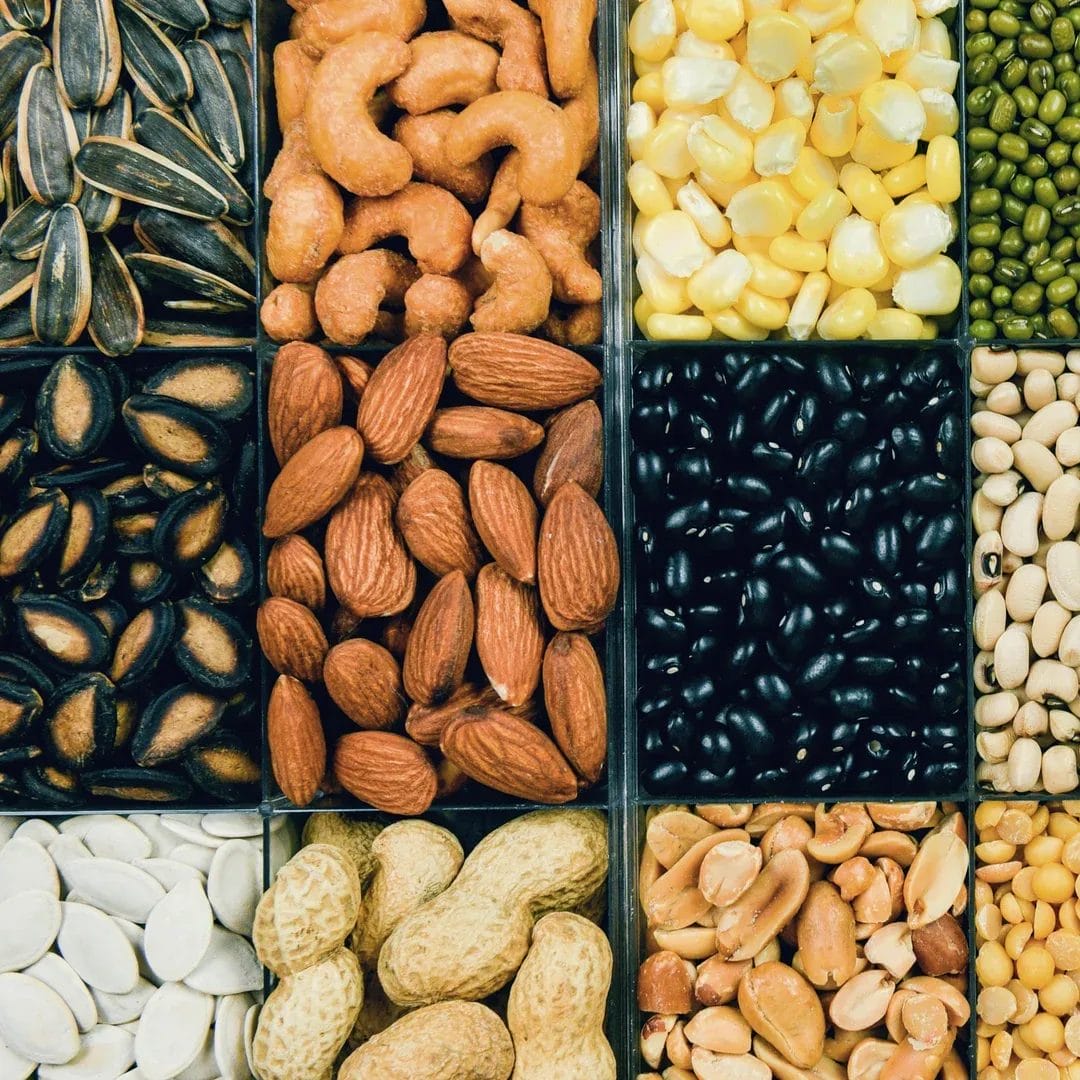
On the topic of antinutrients I also point out the live with functional physician Giorgio Tabarroni, also part of the tea, HealthyWay
And also the live On the most disliked of anti-nutrients, gluten
Antinutrients: the invisible enemies of nutrition
When it comes to the nutrition and quality of a food, it is essential to understand its nutritional composition and assess whether its consumption may also expose us to so-called antinutrients. Depending on its nutritional profile, a food may be more or less suitable for various dietary approaches such as low-carb or ketogenic, and tailoring a diet must take into account the presence of antinutrients and individual susceptibility to these compounds.
In the course of this article we will explore the distinction between macronutrients and micronutrients, the concept of nutritional density and bioavailability, and the role of antinutrients, with a focus on the effects they can have on health.
Nutrients: the foundation of health
Nutrients are essential substances that the body needs to grow, develop and maintain its vital functions. They fall into two main categories:
Macronutrients, required in high amounts.
Micronutrients, needed in smaller amounts but essential for overall well-being.
Macronutrients: source of energy and structure
They are called "macros" because they must be taken in larger quantities than micronutrients. In fact, the unit of measurement for these compounds is the gram, while milligrams or micrograms are used for micronutrients.
Macronutrients include:
Protein → Essential for tissue growth and repair.
Protein sources of animal origin (meat, eggs) are particularly valuable because they provide all essential amino acids in a highly bioavailable form.
Fats → They provide long-term energy and support various cellular functions.
Animal fats (found in eggs, meat and dairy products) provide essential fatty acids and fat-soluble vitamins (A, D, E, K) in easily assimilated forms.
Carbohydrates → Rapid source of energy.
Present in grains, fruits, vegetables and legumes, they are often considered essential, but the body is able to produce the necessary glucose itself from the other macronutrients.
Water → Does not provide energy, but is vital for nutrient transport and metabolic reactions.
Micronutrients: essential support for the body
Micronutrients are required in minute amounts, but they play critical roles in the functioning of the body and the maintenance of health.
Vitamins → They regulate numerous biological processes.
Vitamin B12: Present exclusively in foods of animal origin (meat, eggs, dairy products), it is critical for neurological health, DNA repair, and red blood cell production.
Vitamin K2: Essential for calcium metabolism, it helps strengthen bones and teeth and prevents calcium deposition in soft tissue, reducing the risk of calcific plaques in arteries and tendon or muscle calcifications.
Minerals → Essential for numerous physiological functions.
Iron: Heme iron, found in meat, is highly bioavailable compared to non-heme iron of plant origin.
Calcium, zinc, and magnesium: Crucial for bones, nerve transmission, and cellular metabolism.
Nutritional Density
Nutritional density represents the ratio of the amount of essential micronutrients (vitamins, minerals, antioxidants and other bioactive compounds) to the caloric intake of a food. A food is considered to have high nutritional density when it provides a high amount of beneficial nutrients for a relatively low calorie content.
This characteristic is critical for health and the prevention of nutritional deficiencies, as it allows you to get all the nutrients you need without overdoing your energy intake. In contrast, foods with low nutritional density, such as ultra-processed products, refined sugars, and foods high in industrial fats, provide many calories but few micronutrients, contributing to nutritional deficiencies and metabolic imbalances.
The most nutrient dense foods are generally of animal origin, as they provide complete proteins, highly bioavailable minerals and vitamins in active forms. For example, liver, eggs, meat, fish and dairy products contain a full range of essential nutrients, often without the presence of antinutrients that would reduce their assimilation. Some plant foods, such as green leafy vegetables and berries, also have high nutrient density, but their bioavailability may be limited by the presence of absorption-inhibiting compounds.
Having a diet based on nutritionally dense foods allows you to maximize your intake of essential nutrients, supporting energy, metabolic health, immune system, and longevity, without introducing unnecessary calories that could lead to excess weight and metabolic imbalances.

Bioavailability of Nutrients
Bioavailability represents the amount of a nutrient that the body is actually able to absorb, transport and use for its vital functions. Not all ingested nutrients are
automatically exploited by the body: their absorption depends on several factors, including the chemical form of the nutrient, the presence of other compounds that facilitate or hinder its assimilation, and the health of the digestive system.
Proteins and micronutrients of animal origin generally have higher bioavailability than plant sources. This is due to several reasons:
1. Improved amino acid profile in animal proteins Animal proteins contain all essential amino acids in optimal proportions for the human body, making them highly complete and assimilable. In contrast, many plant proteins lack some essential amino acids or contain them in limiting amounts. For example, legumes are deficient in methionine, while cereals are poor in lysine.
2. Minerals in more bioavailable forms Minerals found in animal foods are more easily absorbed than those of plant origin. For example:
- EME IRON, found in meat and fish, is absorbed with an efficiency of up to 30%, while non-eme iron of plant origin has a much lower assimilation (2-10%) and is inhibited by substances such as oxalates and phytates.
- CALCIUM found in dairy products has a higher bioavailability than that found in vegetables, where it is often bound to oxalates or phytates, reducing its assimilation.
3. Vitamins in active, ready-to-use forms Vitamins of animal origin are generally found in already active forms, while plant vitamins require enzymatic conversions that vary from person to person. Some examples:
- VITAMIN A in animal foods (liver, eggs, dairy products) is present as retinol, which is immediately usable by the body. In vegetables, on the other hand, it is contained in the form of beta-carotene, which must be converted to retinol with very low efficiency (estimated between 3 and 10%).
- VITAMIN B12, essential for the nervous system and red blood cell production, is absent in vegetables and found only in meat, fish, eggs and dairy products.
4. Absence of antinutrients in animal foods Foods of plant origin often contain antinutrients such as oxalates, phytates, tannins and lectins, which interfere with the absorption of minerals and proteins. Foods of animal origin, on the other hand, do not contain antinutrients, ensuring more efficient assimilation of the nutrients they contain.
Antinutrients: obstacles to absorption
Antinutrients are natural compounds that can reduce nutrient absorption through two main mechanisms:
- Direct binding and sequestration of specific micronutrients, making them unavailable to the body.
- Irritation and damage of the intestinal mucosa, resulting in reduced generalized absorption of multiple nutrients.
Most of the antinutrients are present in plant foods, which is why the nutritional values of many plant foods should be scaled down to the truly bioavailable fraction, considering their impact.
To measure the actual quality of protein and its biological availability, the FAO introduced the DIAAS (Digestible Indispensable Amino Acid Score). This index considers both the content of essential and semiessential amino acids and the digestibility of the food, which can be compromised by the presence of antinutrients.
Finally, in predisposed individuals, some antinutrients might be involved in systemic and not only gastrointestinal disease manifestations.
Main Antinutrients and Mechanisms of Action
Antinutrients in foods can reduce the availability and absorption of minerals, vitamins and macronutrients through several mechanisms. Some, such as oxalates and phytic acid, bind to minerals, forming insoluble complexes that the body cannot utilize. Others, such as lectins and protease inhibitors, interfere with digestion and intestinal mucosal integrity, impairing nutrient assimilation. Then there are compounds such as tannins and solanines, which can affect the bioavailability of vitamins and minerals or have irritating effects. Below, we take a detailed look at the main antinutrients and their impact on health.
Oxalates
Present in spinach, chard, rhubarb, cabbage and other green leafy vegetables, as well as in whole grains, oxalates bind to minerals such as iron, magnesium and especially calcium, forming insoluble complexes that prevent their absorption. Their overconsumption can promote osteoporosis and anemia due to reduced availability of essential minerals. In addition, in predisposed individuals, the accumulation of oxalates in the body can increase the risk of kidney stones, as they bind to serum calcium and form crystals in the kidneys.
Phytic Acid
Phytic acid, found in whole grains, legumes, walnuts, almonds, and hazelnuts (but virtually absent in refined grains), reduces the bioavailability of essential minerals such as iron, zinc, magnesium, copper, and calcium by binding to them and hindering their absorption. It can also interfere with the absorption of proteins and amino acids, particularly those with a positive charge, such as lysine.
Tannins
Polyphenolic compounds found in tea, coffee, wine and some fruits such as pomegranate and berries, tannins are responsible for the typical astringent taste of these foods. They interact with proteins to form insoluble complexes and inhibit the absorption of iron, calcium and some vitamins.
Lectine
A protein found in legumes and whole grains, lectins can bind to the intestinal wall, damaging it and causing inflammation and digestive disorders. Gluten is an example of a lectin with potentially problematic effects. Recent studies hypothesize their involvement in systemic diseases.
Protease Inhibitors
These substances inhibit digestive enzymes involved in protein breakdown (chymotrypsin, trypsin, elastase), reducing the availability of amino acids for intestinal absorption. They are particularly present in legumes, potatoes and cereals.
Glucosinolates
These compounds are found in cruciferous vegetables (Brussels sprouts, cabbage, broccoli, turnip greens, arugula, radishes, etc.) and can sequester iodine, preventing its utilization by the thyroid gland. This can impair the production of thyroid hormones (T3 and T4). Subjects with hypothyroidism should take special care when consuming these foods.
Fibers
Although fiber consumption has long been associated with benefits such as improving intestinal transit and preventing diverticulosis, it can hinder nutrient absorption. Fiber binds to macronutrients, slowing or preventing their assimilation. This is why fiber lowers the glycemic index of foods. In addition, they can cause malabsorption of micronutrients such as vitamins and minerals. Recent studies suggest that a drastic reduction in fiber consumption could lead to the disappearance of digestive symptoms such as intestinal bloating and maldigestion, improving intestinal regularity.
Solanine
Solanines are toxic alkaloids found in potatoes (not sweet potato), eggplant, peppers and tomatoes. In high amounts they can cause neurological disorders such as lassitude, drowsiness and anxiety, as well as irritate the gastric mucosa. Solanines interfere with vitamin D, inhibiting its action. o To reduce their intake, it is advisable:
- Remove the green parts of the potatoes (solanine is concentrated in the skin and green parts).
- Choose well-ripened tomatoes and cook them properly. Consume ripe, well-cooked eggplant.
- Subjects with autoimmune diseases should pay special attention to these compounds.
Reduce the effect of anti-nutrients
Various methods of food preparation can reduce the content of antinutrients, improving the bioavailability of nutrients and facilitating their absorption by the body.
Soaking is an effective technique to reduce the presence of phytic acid, lectins and saponins in legumes. Leaving them in water for several hours allows some of these compounds to be removed, making them more digestible. Fermentation, which has been used for centuries to preserve food, uses the activity of bacteria and yeasts to deactivate many antinutrients. One example is the natural leavening of bread, which lowers the content of lectins, gluten, phytic acid, and protease inhibitors, improving tolerability.
Cooking, particularly boiling and steaming, helps denature protein antinutrients, such as protease inhibitors and lectins, neutralizing their effects. Another effective method is sprouting, which induces biochemical changes in seeds and legumes, reducing antinutrients and increasing the availability of vitamins and minerals.
Although these methods are useful, it is important to note that they do not completely eliminate antinutrients, and therefore their consumption is unavoidable in a varied diet. In addition, many plant foods are consumed raw or in large quantities, especially in vegetarian or vegan diets, thus increasing exposure to antinutrients.
For those suffering from systemic inflammation, autoimmune diseases, or nutritional deficiencies, it may be helpful to evaluate, under the guidance of an experienced professional, low or no anti-nutrient dietary regimens, such as the Animal-Based or Carnivore diet, which exclude most of the plant sources responsible for these nutritional interferences.






Leave A Comment