



























 EBOOK
EBOOK Insights
 Blog
Blog Tutorials
 GRASS FED
 training
 LIVES
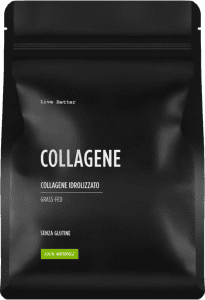
LIVESI wrote a this insight On all objections to collagen.
A couple of points here: one of the most popular objections is “the molecule is not absorbed whole.” These people believe that you supplement collagen by thinking that the collagen molecule (bovine, porcine, or marine) is absorbed whole from the gut and goes whole into the skin to plump it up. This is nonsense and shows the ignorance of these people on the subject.
1) Any protein to be absorbed must be digested, that is, “cut” into smaller pieces that can be absorbed by the intestines. No company selling collagen claims that it is absorbed whole, partly because they all sell collagen hydrolyzed.
2) All collagen is hydrolyzed: this means that the original molecule is “cut” into smaller molecules, the peptides. In this way it is as if it were pre-digested and thus is more easily and quickly digested. So the collagen was not whole to begin with either.
The reason I supplement with collagen is glycine. There is a growing body of evidence suggesting that glycine is a conditionally essential amino acid: our bodies cannot produce enough of it to meet daily needs. Furthermore, it's observed that individuals with metabolic disorders (obesity, type 2 diabetes, fatty liver) have low circulating glycine levels. These low glycine levels are also often found in cases of inflammation, insulin resistance, high oxidative stress, advanced pregnancy, and exposure to xenobiotics (substances foreign to an organism's normal metabolism, whether natural or synthetic). An important clarification: currently, there is no scientific certainty that supplementing with collagen, glycine, or consuming foods rich in glycine can improve these pathologies.
Consuming collagen (the food richest in glycine) provides our body with this extremely important amino acid. Glycine accounts for 33% of the amino acids that make up collagen and is necessary for the production of glutathione, heme groups, purines, creatine, and bile salts.
Important: You don't have to take collagen, just incorporate foods that contain it into your daily diet: gelatin, nerves, joints, or animal skin. Bone broth, contains interesting levels of collagen only if it becomes gelatinous when it cools.
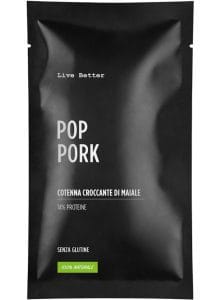
The absolute richest natural food (which has not undergone processing) in collagen is pig skin.