





















 EBOOK
EBOOK Insights
 Blog
Blog Tutorials
 GRASS FED
 training
 LIVES
LIVESFrequently Asked Questions
Le whey isolate vengono filtrate di più e quindi diminuisce il contenuto di lattosio e aumenta quello di proteine.
Concentrate: 76% proteine, 7/8% lattosio
Isolate: 90% proteine, 1% lattosio
Le isolate costano di più, quindi hanno senso solo per chi ha problemi con il lattosio
Sì essendo proteine del siero del latte contengono lattosio.
Contenuto medio lattosio:
concentrate bovino 7/8%
concentrate capra 5%
isolate bovino 1%
La maggior parte del latte di mandorla in bricco contiene il 5% di mandorle, che significa mettere 5o grammi in 950 ml di acqua. Con queste proporzioni con 250 g di latte di mandorla in polvere si ottengono 5 litri di latte liquido. Il costo di listino è 17 €, quindi 1 litro costerebbe 3,4 €. Quando è in promo al 15% il costo al litro diventa 2,89 €. Con sconto 20% 2,72 € al litro. Se confrontato con latte di mandorla in bricco biologico e con ingredienti puliti, il nostro latte di mandorla in polvere è più conveniente. Inoltre si utilizza solo la quantità necessaria quindi non ci sono sprechi.
Sì, 3 o 4 giorni. Tenderà a separarsi, quindi prima di consumare agitare per farlo tornare omogeneo.
SSìceryomaconunaccortezzSìSì certo, ma con un accortezza: l’albume in polvere è pastorizzato ma la pastorizzazione non inattiva l’avidina presente nell’albume quindi se si vuole consumare l’albume in polvere in uno shaker proteico va messo in forno, strato sottile sulla teglia, a 90°C per 15 minuti
L’avidina si lega alla biotina e ne impedisce l’assorbimento. Se si consuma l’albume crudo ogni tanto ma se si consuma spesso rischia di portare a una carenza di biotina.
I wrote a this insight On all objections to collagen.
A couple of points here: one of the most popular objections is “the molecule is not absorbed whole.” These people believe that you supplement collagen by thinking that the collagen molecule (bovine, porcine, or marine) is absorbed whole from the gut and goes whole into the skin to plump it up. This is nonsense and shows the ignorance of these people on the subject.
1) Any protein to be absorbed must be digested, that is, “cut” into smaller pieces that can be absorbed by the intestines. No company selling collagen claims that it is absorbed whole, partly because they all sell collagen hydrolyzed.
2) All collagen is hydrolyzed: this means that the original molecule is “cut” into smaller molecules, the peptides. In this way it is as if it were pre-digested and thus is more easily and quickly digested. So the collagen was not whole to begin with either.
The reason I supplement collagen is glycine. There are several evidences that glycine is a conditionally essential amino acid: our body cannot produce enough of it for daily needs. This happens especially in certain physical conditions: people with metabolic disorders (obesity, type 2 diabetes, fatty liver) have low levels of glycine. These low glycine levels are also often found in cases of inflammation, insulin resistance, high oxidative stress, advanced pregnancy, and exposure to xenobiotics (substances foreign to an organism's normal metabolism, whether of natural or synthetic origin).
Taking collagen (the absolute richest food in glycine) provides our body with this very important amino acid. Glycine accounts for 33% of the amino acids of which collagen is composed and is necessary for the production of glutathione (one of the most powerful antioxidants produced by our bodies) and many other compounds: heme group, purines, creatine, and bile salts.
Important: You don't have to take collagen, just incorporate foods that contain it into your daily diet: gelatin, nerves, joints, or animal skin. Bone broth, contains interesting levels of collagen only if it becomes gelatinous when it cools.
The absolute richest natural food (which has not undergone processing) in collagen is pig skin.
Yes, because it contains a flavoring, not mustard
After opening store in the refrigerator and consume in a short time
Our gelatin has 220 Blooms. The Blooms indicate the degree of solidity of the gelatin that will be formed. The higher they are the firmer the gelatin is. This is a value that is needed at the industrial level. All gelatin for home consumption has 200/220 Bloom.
“I was advised to take type II collagen for my joints, what type of collagen does yours contain?”
It does not matter to our bodies what type of collagen we take in, because when we ingest collagen in order for it to be absorbed by the intestines it must be “broken down” into the individual amino acids of which it is made or into small groups of them. Whether these amino acids come from type I, II or other collagen makes no difference. Our body will then use some of these amino acids to build new collagen.
However: our collagen contains mainly type I collagen and to a small extent type III collagen, as it is obtained from the skin of (pasture-raised) cattle.
There are multiple types of collagen in our bodies, to date 29 are known, but let's look at just the two main ones:
Type I: about 90% of the collagen found in the human body. It is found in skin, bone, tendons, arteries, fibrous cartilage and cornea.
Type II: hyaline cartilage, vitreous body.
Hyaline cartilage is smooth and flexible but less resistant to traction than fibrous cartilage. It is found in joints (articular cartilage), the ends of long bones (growth cartilage), trachea, bronchi, and nose. It reduces friction in joints, cushions shocks and is involved in bone growth. It is the most common type of cartilage.
Fibrous cartilage is dense, very resistant to compression and traction, and is stiffer than hyaline cartilage. It is found in knee menisci, intervertebral discs, pubic symphysis, and some joints (e.g., temporomandibular). It absorbs shock and provides mechanical strength in areas subjected to high stress or pressure.
Osteoarthritis is a condition related to the deterioration of cartilage. In most cases it is due to aging (more than 70% of people over 55 suffer from it) but it can also be caused by poor posture that makes the joint work poorly. For example, after an accident if we do not properly recover the muscles in the knee, it can work out of alignment and wear down the knee cartilage. Another cause can be vare or vague knees. Obesity also contributes to cartilage deterioration.
Can collagen help? There are several studies (1,2) where collagen intake is observed to be beneficial for joints, but proving that collagen intake can decrease the incidence of osteoarthritis would require very long and very expensive studies because you would need a large group of people for decades. Who knows, maybe someday the Live Better foundation will have us the money to fund this study... It would also be nice to do a study on the incidence of osteoarthritis in ancestral living populations, like the Hadza.
What is certain is that there is plenty of anecdotal evidence: thousands of people around the world report that taking collagen has improved their joints. Unfortunately, anecdotal evidence, however, is not scientific evidence, as it is personal experience that could be influenced by many factors.
You don't have to necessarily take collagen, just habitually consume collagen-rich foods such as: gelatin, ribs, animal skin (the richest one is pig skin), collagen-rich cuts such as bovine tail. (3)
BIBLIOGRAPHY
1) https://pmc.ncbi.nlm.nih.gov/articles/PMC8521576/
2) https://pubmed.ncbi.nlm.nih.gov/30368550/
3) https://fdc.nal.usda.gov/food-search?component=1225
Our supplier manufactures in Turkey, which falls under European regulations for collagen production, so it must comply with all relevant European regulations. Companies that produce in Brazil or China are not required to comply with these regulations.
By law, any European collagen producer must comply with the following regulations:
EC 853/2004, which requires, among other things, sterilization with UHT
EC 852/2004
EC 178/2002
The supplier also has a production facility in Switzerland, but the production capacity is MUCH smaller, so we would not have the ability to guarantee almost totally tasteless and odorless collagen. The Turkish production capacity, on the other hand, allows us to always have batches of virtually tasteless collagen.
In addition, our supplier is FSSC 22000 certified, a certification scheme recognized by the Global Food Safety Initiative (GFSI). GFSI certifications are globally recognized food safety standards developed to improve food safety throughout the supply chain. FSSC certification is voluntary
It is also ISO 9001 and ISO 22000 certified
Our supplier has very high quality standards as it also supplies the world's largest food company-Nestlé, which with Vital Proteins is also the market leader in collagen. The accreditation process to become a Nestlé supplier is very complex as the quality standards required are very high. I give an example understandable even to non-technical people: collagen packaging must take place in a clean room. A clean room is a highly controlled work environment designed to minimize the presence of particulate contaminants. Simply put, it is a space characterized by highly filtered air, controlled temperature and humidity, and strict procedures to limit the introduction of foreign particles.
I realize that to some people reading Turkey may generate doubts, but they are just prejudices. Turkey is a great nation, just look at their beautiful television series. We had Cinecittà, and today? On the biggest channel in the world, Netflix, it is the Turkish series that are depopulated, not the Italian ones.
No, there is no such thing as vegan collagen. Collagen is the structural protein found in all animals. In plants this role is filled by cellulose, which is indigestible to us humans. What is sold as “vegan collagen” is a mix of amino acids similar to what is found in animal collagen. Similar but not the same: for example, plant collagen lacks hydroxyproline, one of the most+ abundant amino acids in plant collagen The amino acids used to create “vegan collagen” can be extracted from plants or synthesized in the lab.
No, there is no such thing as organic collagen because part of the process by which it is produced, hydrolysis, is not allowed in the organic protocol. This is the setssa reason why organic stevia does not exist: one step of production is hydrolysis.
Yes, absolutely! It should always be made with boiling water, the result is much better. You can then let it cool and store it in the fridge. IMPORTANT: it will separate, as it contains 65% coconut oil. No problem, just shake it and it will become smooth again.
Especially in winter, you may notice small white spheres forming in the powder. This is simply the coconut milk solidifying due to the cold. The coconut milk powder we use is extremely pure and contains 65% fat (coconut oil). When temperatures drop, the coconut oil solidifies, causing small lumps to form in the mix. No worries! They will melt upon contact with boiling water, as coconut oil turns liquid above 24°C (75°F).
In Europe, the production of gelatin and collagen must comply with strict purity standards. The final product must have a conductivity and therefore a salt content below 2000 µS at 1% concentration. To reach this level of purity, manufacturers use ion exchange resins. These include cationic resins, which remove positively charged ions (cations), and anionic resins, which remove negatively charged ions (anions). This process has a direct impact on the overall purity of the product, ensuring that the heavy metal content is practically zero.
In addition, the limit content of heavy metals is subject to EU reg. 853/2004.
Indeed!
MAPs contain only essential amino acids, whereas collagen contains mainly glycine, proline, and hydroxyproline, which are nonessential amino acids.
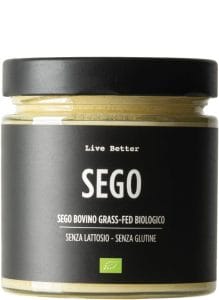
Tallow is an animal fat traditionally obtained by rendering the fatty parts of horses, sheep, and especially cattle, so much so that it is often referred to as “beef tallow.”
It can be made from any type of fat, whether subcutaneous or visceral, but is usually produced from internal deposits such as the fat surrounding the heart and kidneys of cattle. The process involves heat treatment, filtration, and straining of various fat trimmings. The pieces are cut into small chunks and gently heated until they melt, which also allows the small amount of water present to evaporate. The liquid fat is then filtered to remove any remaining meaty or fibrous fragments, which are often pressed to extract even more fat. The quality of tallow depends on the type of animal, the part of the body from which the fat comes, and the rendering method used.
You can also make it at home: just ask your butcher for beef fat (he usually gives it away). Once rendered, you’ll be left with crispy bits and they are absolutely delicious!
There was a time when we did not have synthetic products. People used animal fats to make many things.
Candles: Beef tallow has been used for centuries to make candles. Its slow-burning properties make it a sustainable and economical option. How to make tallow candles Melt beef tallow and mix it with a small amount of beeswax (optional for more consistency). Pour the mixture into molds or jars, inserting a wick. Let it cool and harden. Light your homemade, eco-friendly candles! Tallow candles burn cleanly, producing less soot than kerosene candles.
For leather and wood: Beef tallow is a natural conditioner for leather and wood, helping to restore and protect these materials. Rub a small amount of tallow on leather shoes, belts or bags to soften them and make them waterproof. Polish with a clean cloth for a shiny finish. Mix tallow with beeswax to create a natural wood polish. Apply it to wooden furniture or cutting boards to restore shine and prevent cracks.
Lubricant for tools and machinery: Before modern industrial lubricants, beef tallow was widely used to reduce friction and protect metal surfaces. Use tallow for:
- lubricate door hinges and locks
- Protect tools from rust and wear and tear
- Greasing metal parts in low-speed machinery
Pet care: Beef tallow is safe for pets and can be used for:
Soften paws: apply a small amount to your dog's paw pads to prevent cracking, especially in winter.
Addition to diet: mix tallow into your pet's food for healthy fat intake (consult your veterinarian first).
DIY fire starter: Tallow is an excellent fire starter because of its prolonged burning. To make one: soak cotton balls or small pieces of cloth in melted tallow. Let them cool and harden. Use them as lightweight, portable firelighters for camping or emergencies.
Natural shoe polish: Beef tallow can breathe life back into dull leather shoes. Rub a small amount on leather, let it penetrate and polish for a shiny finish.
Absolutely. There are several lines of natural tallow cosmetics in America. It seems to be excellently tolerated by sensitive skin. On the other hand, what do you think we have been using for millions of years?
Moisturizer
Tallow is rich in stearic and oleic acids, which deeply moisturize and nourish the skin without clogging pores. You can use it alone or add essential oils for additional benefits. Tallow contains fat-soluble vitamins A, D, E, and K, which promote skin regeneration, reduce wrinkles, and fight dryness.
Lip balm
Creates a natural lip balm by combining beef tallow with beeswax. Provides long-lasting hydration and protection.
Cattle tallow is a traditional base for handmade soaps, offering a creamy lather and excellent moisturizing properties. It is biodegradable and free of synthetic additives.
Tallow's natural anti-inflammatory properties make it ideal for treating skin problems such as cuts, burns and rashes. Combine tallow with herbs such as calendula or chamomile to create a soothing ointment.
Hair care
Use beef tallow as a natural hair mask to nourish and moisturize dry, damaged hair. Melt a small amount and apply it to your hair, concentrating on the ends. Leave it on for 30 minutes before washing it out with shampoo.
Ghi is made by clarifying butter, that is, by slowly cooking it at a low temperature until protein, water and lactose are removed. What remains is pure fat, with a smoke point of 250°C, due to the presence of as much as 70% saturated fat.
Tallow, on the other hand, is obtained by cooking beef fat at a low temperature. Again, the product obtained is pure fat, with a slightly lower smoke point, 230°C, because it contains less saturated fat, only 50%.
Both contain omega 3 and vitamins A, D, E, K.
Ghi has a milder flavor, tallow a stronger one.
Both contain very little omega-6.
Fun fact: Before the advent of vegetable oils, tallow or lard was used for frying, depending on the animals most available in the geographic area. Until 1990 McDonald's fried its fries in a mixture of 93% tallow and 7% canola oil.
Tallow could also be stored outside the refrigerator, as it contains only fats such as olive oil. However, it contains only 50% saturated fat, so we prefer to recommend storing it in the refrigerator after opening. Always use clean cutlery.
Absolutely not.
Collagen is a protein and only needs to be digested to be absorbed. Vitamin C is needed by our body to synthesize new collagen.
Is it necessary to supplement it? No one currently has a definite answer to this question. When in doubt, since it has no harmful effects and if it is not needed it is simply excreted with the urine, I take it. I use Dr. Giorgini's “pure vitamin C.”.
How much vitamin C to take? It depends on when it is taken and whether it is taken together with carbohydrates, since the transporter within the cell for vitamin C is the same as that used by glucose, and glucose has precedence for use.
This is why collagen is more easily digested than gelatin: it's already broken down into peptides, making it, in a sense, “pre-digested.”
Before opening in a cool, dry place.
After opening in the refrigerator and should be consumed within 3 days.
After opening store in the refrigerator for up to 6 months
Live Better Kaminwurz are packaged in a protective atmosphere, a mix of nitrogen and oxygen that helps protect the food from oxidation. Once the bag is opened, they should be kept refrigerated and consumed within 3 days, as they contain no preservatives.
La cotenna di maiale è l’alimento in assoluto più ricco di collagene e il collagene non è una proteina con alto valore biologico in quanto non contiene aminoacidi essenziali in quantità sufficiente. In un’alimentazione ottimale il collagene non dovrebbe costituire più del 30% dell’apporto giornaliero. Se questo limite viene superato, non succede nulla, basti pensare ai milioni di vegani che ci sono nel mondo (anche le proteine vegetali non contengono sufficienti aminoacidi essenziali). Però se vogliamo ottimizzare la nostra alimentazione, e la nostra salute, abbiamo bisogno di un buon apporto di aminoacidi essenziali e quindi il collagene dovrebbe apportare al massimo il 30% delle proteine consumate giornalmente.
Example
Introito proteico giornaliero 100 g (donna 60 kg, 1,6 g di proteine per kg massa corporea, considerando il peso forma)
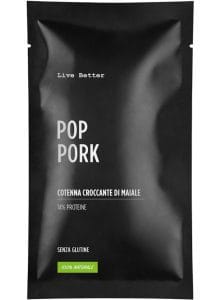
Quota massima collagene 30 g, che equivalgono a 32 g di collagene o a 30 g di Pop Pork
Introito proteico 130 g (uomo 80 kg, 1,6 g di proteine per kg massa corporea, considerando il peso forma)
Quota massima collagene 39 g, che equivalgono a 42 g di collagene o 52 g di Pop Pork
Se il vostro introito proteico è superiore, possono aumentare i grammi di collagene consumati giornalmente
Pop Pork are stored in a protective atmosphere (nitrogen), so when they are opened, oxygen and also moisture enters. This clearly affects crispness and oxidation. However, Pop Pork contain only 7% fat, so they do not oxidize easily. After opening store tightly closed.
Inside the package is a small oxygen-absorbing bag on which it is clearly written that it is not to be eaten. Unfortunately, it happened that some children opened it thinking it was salt to sprinkle. NO PANIC: The bag contains iron, silicon dioxide and charcoal. Should the contents be swallowed by mistake, it is not dangerous.
The MCT oil in Better Mayo consists of C8, or caprylic acid.
Better Mayo contains MCT's 78% so it is a very valuable aid in meeting the ketogenic fat quota.
MCTs are associated with several benefits:
- taken during a ketogenic diet increase the production of ketones
- Support the growth and maintenance of good intestinal flora
- have antimicrobial properties
Some people when taking them may experience intestinal discomfort: bloating, diarrhea, abdominal cramps.
These symptoms are a sign of an altered microbiota. People with a balanced microbiota have no problems.
If you should have any of these symptoms, it would be worth investigating the condition of your microbiota.
There are no known contraindications. However, collagen may not be suitable for people who:
- Sensitive to histamine
- Affected by hyperoxaluria
INSTAMINE
Those with histamine sensitivity may experience side effects. Collagen tolerance is highly individual: some people with histamine intolerance have no issues, while others may react.
If you have a histamine-related food sensitivity or mast cell activation syndrome (a more severe and clinically recognized condition), you may need to avoid collagen, gelatin, bone broth, fermented vegetables, and seasoned foods, depending on your individual tolerance.
If you have problems with histamine, I recommend the following. READ MORE Of functional physician Dr. Lorenzo Toccacieli.
Only individuals with this type of condition might experience problems when taking collagen or gelatin, we use the conditional because there is currently no conclusive evidence. This is due to the fact that some hydroxyproline and glycine may be converted into calcium oxalate.
Oxalates can contribute to calcium oxalate stone formation only in patients with secondary hyperoxaluria. For all other individuals who have calcium oxalate stones but not hyperoxaluria, the general recommendation is simply to reduce foods that are particularly high in oxalates — such as beets, spinach, and tomatoes. Once these are removed, there is little evidence linking moderate oxalate intake to an increased risk of stone formation. Instead, dehydration, low citrate levels, metabolic syndrome, and genetic predisposition are currently considered the main factors associated with kidney stone development.
Today it is estimated that calcium oxalates excreted with urine result from: (total does not make 100% because these are estimates, not certainties)
- For about 50% from the oxalates in the food we consume (1)
- For about 40% from ascorbic acid or ascorbate (vitamin C). In people predisposed to stone formation, it appears that ascorbic acid may contribute even more, up to 80%, to the presence of oxalates in urine. (2)
- For about 15% from hydroxyproline (1)
- For less than 5% from glycine (1)
Collagen and gelatin contain glycine and hydroxyproline
If you have problems with kidney stones you might find it helpful to look at this live with Dr. Francesca Manfra, functional physician, In which we talked about what causes kidney stones and what can be done to decrease their formation. In the first 20 minutes, Dr. Manfra explains in detail why collagen is NOT one of the causes of kidney stones.
After 120 days from opening, stored in the refrigerator, Better Mayo is still microbiologically and chemically very stable. On a sensory level, however, the aroma is disappearing, giving way to slightly acidic hints. On the flavor side we are also seeing a slight loss of flavor. The texture is still creamy. So after 120 days the product is still in perfect condition, but it is starting to lose some flavor.
Clearly, the product will keep perfectly if clean cutlery is always used to take it from the jar.
What preserves mayonnaise is acidity. Clearly the coldness of the refrigerator also helps! When deciding whether a product is still good to eat, the same rule always applies: observe, do you see something strange-mold or something else? Smell, does it smell? If the answers are no, the product is edible.
The expiration date was invented 50 years ago. We have been using our senses for millions of years to tell if a food is edible.
Chokkino espresso 35 ml + 1 scoop of cocoa
Long Chokkino 50 ml + 1 scoop of cocoa
However, you can customize it as you like, putting more water and dosing the cocoa to get the intensity you like
Our coconut milk powder contains 65% coconut oil, which becomes liquid at around 24°C (75°F). So in hot summer temperatures, the powder may turn into a creamy texture. That’s why we recommend storing it in the refrigerator, tightly closed, to prevent it from absorbing moisture. The cold will cause the coconut oil to solidify, which may lead to the formation of small lumps. You can simply break them up, the powder will return to its original texture. If you pour boiling water over them, the lumps will melt instantly, as the oil becomes liquid again. They can also be eaten as they are, like little coconut candies!
Our coconut milk powder contains 65% coconut oil. Coconut oil melts at around 24°C (75°F) and solidifies when it's cooler, that's why lumps may form in the powder. Simply break them up and it will return to a fine powder. If you add boiling water, the lumps will melt on their own as the oil liquefies. They can also be eaten as they are, like little coconut candies!
You can view which products are suitable for ketogenics by selecting the relevant filter in this page
Our products suitable for the ketogenic diet are:
Chokkino, ChokkoCocco, Chokkococcoccino
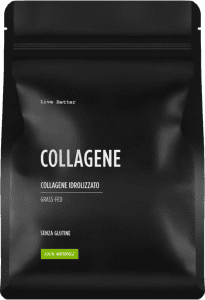
Collagen
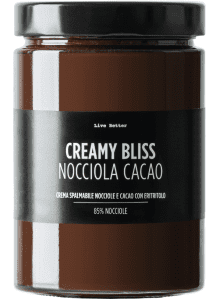
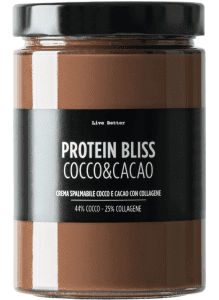
Protein Bliss and Creamy Bliss spreads
Coconut milk powder
Latte di mandorla in polvere
Better Mayo
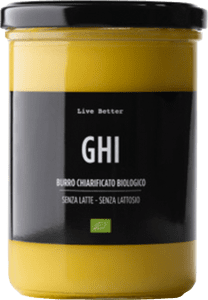
Ghi
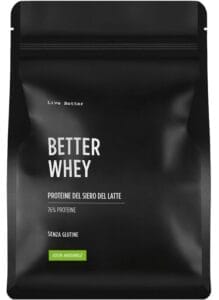
Better Whey
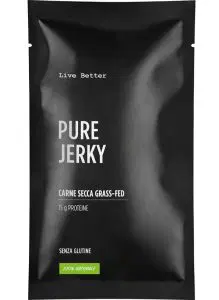
Pure Jerky
Pure Biltong
Jelly
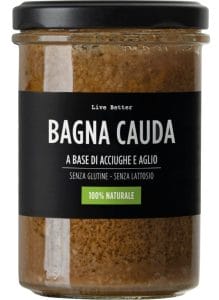
Bagna cauda
Better Sweet
Choko Loco (erythritol)
Albumen powder
Yolk powder
Cocoa powder
Coconut flour
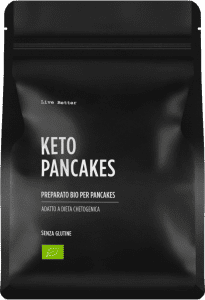
Keto Pancakes
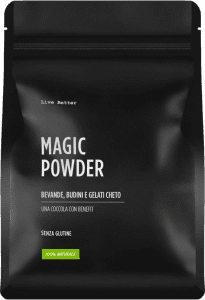
Magic Powder
Vanilla Dream
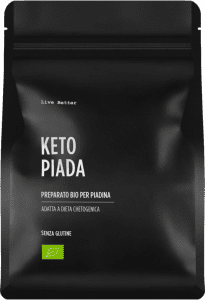
Keto Piada
Keto Chok
Erythritol
Psyllium
The date shown on NON-fresh products is not the expiration date, but the TMC.
TMC means Minimum Storage Term and is NOT an expiration date. The product is always perfectly edible after this date. When you read “best before...” on a product, it means it is not an expiration date but the TMC minimum shelf life.
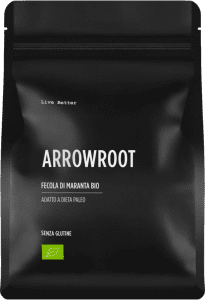
PLEASE NOTE: Our products are very stable because they are in powdered form and contain mainly saturated fats, which are naturally very stable. We have tested many of them even more than one year past their TMC date, and they were still in perfect condition, including coconut milk, cocoa powder, erythritol, and arrowroot.
How to tell if a product is still good? Very simple!
Just take a look: are there any signs of mold, insects, or anything unusual?
Smell: smell?
If the answers to these two questions are no, the product is still good.
Think about this: the expiration date was invented 50 years ago. Humankind has existed for 2.5 million years. Your senses are perfectly capable of recognizing a product gone bad. Trust us!
10% of European food waste is caused by the misinterpretation of this date. Tell your friends about this important distinction between TMC and expiration date. Awareness will save the world.
Within 24 hours of opening. But is there really anyone who can manage not to eat the entire contents of a small bag?
Yes, all our boxes contain the measuring cup.
Instead, the bags of powdered products do not contain it as a matter of environmental sustainability. If they did contain it, customers who often buy our products would end up with a collection of scoops. This would make no sense, as the Earth is the only planet we have and we must take care of it by living consciously.
No. As a matter of environmental sustainability all our bags do not contain a measuring cup. If they did contain it, customers who often buy our products would end up with a collection of measuring cups. This would make no sense, as the Earth is the only planet we have and we need to take care of it by living consciously. Instead, our boxes contain the measuring cup, as it is usually the first purchase a customer makes.
When a seed sprouts, it releases all its resources to support the growth of the plant. Through sprouting, carbohydrates and proteins become easier to digest. Enzymes are activated that pre-digest starches and neutralize phytates (which normally hinder the absorption of minerals). Sprouting also increases the content of vitamins and antioxidants. That’s why a sprouted seed is both more digestible and more nutritious.
No, they are not the same thing:
- Coconut rapè is made by "grating" the coconut pulp and then drying it
- coconut flour is obtained after pressing the coconut pulp to extract the coconut oil
Rapé coconut contains more calories, fat and less fiber
Rapé coconut contains about: calories 600, fat 60%, fiber 20%
Coconut flour contains about: calories 350, fat 15%, fiber 47%
Coconut rapé consists of flakes, coconut flour is a powder
They are not two interchangeable products
It is obtained through bacterial fermentation from corn.
No, our erythritol is 100% pure, with no additives.
There are cocoa varieties with a special fruity and floral flavor profile that are called "fino de aroma." They are grown on small farms that strive for excellence. Most cocoa today is grown intensively, which results in low quality production. Currently only 8% of the world's production is fino de aroma cacao. With the market paying more and more attention to the quality of raw materials, companies growing high quality raw materials are increasing.
There are large companies that process cocoa beans and produce buttons (about 3 cm in diameter) from cocoa mass. Most artisan chocolatiers make chocolate from these. From bean to bar literally means "from bean to bar" meaning the chocolatier buys the beans, roasts them, and uses them to make chocolate. If you would like to find out how chocolate is made "from bean to bar" at this link Armin of Karuna Chocolate shows us the whole process. Another very good "from bean to bar" chocolatier is my friend Marco Colzani who has a beautiful factory outlet in Carate Brianza, where he also sells his amazing juices and jams.
Because when it is hot, the temperature in courier cars is too high and would melt the chocolate.
Yes, because it contains no sugar. It is sweetened with erythritol, which has zero glycemic and insulenimic index.
All collagen on the market is hydrolyzed. If it were not it would be called gelatin. These are the two products you get from animal collagen.
Let's start at the beginning: collagen is the "glue" that holds the bodies of animals together. In its natural form it is insoluble. Gelatin, what we call "isinglass," is made by partially dredging collagen with heat. Gelatin is soluble in hot water. Collagen powder is obtained through the process of hydrolyzing animal tissues such as bone, skin, and cartilage (our collagen is produced exclusively from the skin of pasture-raised cattle. Collagen powder is soluble in both hot and cold water.
Gelatin forms a gel; collagen does not because it is composed of smaller molecules. Our gelatin has a molecular weight of about 50,000 Da (dalton). Gelatin can have different molecular weights from 20,000 Da to 100,000 Da. The molecular weight of gelatin determines its Bloom, or gelling power; the higher the bloom, the higher the gelling power. Our collagen has a molecular weight between 1,800 Da and 2,000 Da. In contrast, the native collagen molecule (found in animal tissues) has a molecular weight of 300,000 Da.
Why am I telling you all this? During digestion, proteins must be broken down in order to be absorbed; if a protein is smaller in size it is absorbed faster because it is easier to break it down.
Yes, you can put it in the microwave
Yes. Screen printing is baked at 1000°C so it "sticks" to the glass.
Certainly. They are made of hard porcelain for professional use to be washed countless times in bars.
Yes. It is a great quality product with a 10-year warranty.
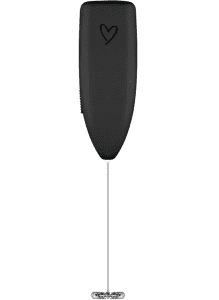
The single milk frother does not include batteries. However, the milk frother included in our boxes does come with batteries so if you're giving a box as a gift, it's ready to use right away!
The handle is gently wiped with a damp cloth, never put under running water because it contains the batteries and motor.
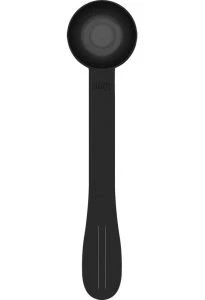
The handle says 10 ml, but that applies only to liquids. With powders, the weights vary.
Approximate weight of one level scoop of our products:
Egg white powder 4 g
Arrowroot 5 g
Better Sweet 4 g
Cocoa powder 5 g
Chokkolove 5 g
Collagen 4 g
Powdered erythritol 6.5 g
Oat flour 5 g
Coconut flour 5 g
Psyllium husk 7.5 g
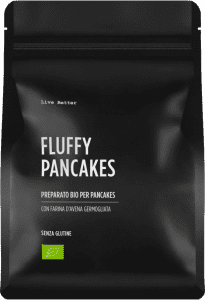
Fluffy Pancakes 5 g
Gelatin 6.8 g
Keto Pancakes 5 g
Keto Piada 5.5 g
Coconut milk powder 5 g
Magic Powder 5 g
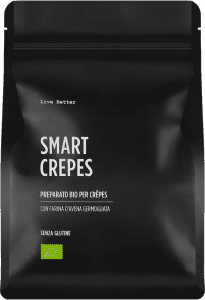
Smart Crêpes 4.5 g
Egg yolk powder 4.5 g
Vanilla Dream 4 g
In winter, cocoa butter is very hard, and since Kiss Me Better contains 13% of it, it too is a little hard in winter.
simply place it on your lips, and the body heat will melt the cocoa butter, softening the Kiss Me Better. Cocoa butter has a melting temperature of 35°C.
Unfortunately not, and larger jars are not available. It holds about 300 g of cocoa, while the pouch contains 515 g.
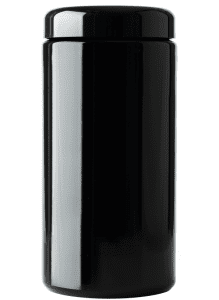
1 liter: height 19.5 cm, diameter 9.5 cm. Can comfortably hold the measuring cup (length 13.5 cm).
500 ml: height 15.5 cm, diameter 8 cm. Can hold the measuring cup but little space remains.
400 ml: height 13.5, diameter 7.5 cm
250 ml: height 9.5 cm, diameter 7 cm
200 ml: height 11 cm, diameter 6 cm
50 ml: height 6 cm, diameter 4.5
Use only 30% of the weight of the sweetener listed in the recipe
Example: if the recipe indicates 100 g of sugar use only 30 g of Better Sweet
This 30% depends a lot on personal taste, some will use less and some more
Yes. You can use the same grams given in the recipe for cornstarch.
Yes, but there is a limit:
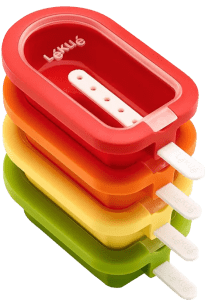
Mini Supoon 260°C
Chopula 250°C
Scizza 205°C
Vacuum-sealed glass jars are used for tomato sauces, pickles, tuna, and similar products. Creamy spreads are never vacuum-sealed, not even Nutella. That’s why they don’t make the “clack” sound when you open the jar. Why? Because they are anhydrous (they contain no water), so they don’t have shelf-life issues. By contrast, products that contain water, such as tomato purée, require a vacuum seal created by pasteurization. When we boil jars of homemade passata, we are pasteurizing them, which creates the vacuum and when we open them, we hear the “clack.”
You can keep it in the refrigerator but not necessary as the ghi contains only fat, such as olive oil.
CAUTION: If water or moisture gets in, mold will form, always close the cap very tightly and always use clean, dry utensils.
No, it is produced in the Czech Republic with grass-fed milk from the same country or from Holland.
This is a legal requirement for all products containing polyols: erythritol, sorbitol, xylitol, mannitol, maltitol, and isomalt. Polyols can have laxative effects and cause gas. These effects occur because polyols are not completely absorbed in the intestine, and the portion that reaches the colon ferments, causing issues in some people. However, erythritol is different: about 90% is absorbed in the intestine, so only a very small amount reaches the colon. For most people, erythritol does not cause any problems. That said, in case of intestinal conditions such as SIBO, erythritol should be avoided until recovery.
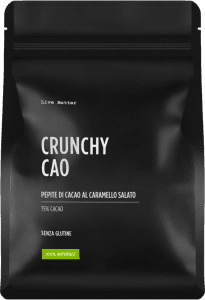
Crunchy Cao is produced in a factory where gluten is occasionally present. All precautions are taken to avoid possible contamination but we cannot be certain that it is gluten-free until we test it. To date, gluten has never been detected in all batches produced.
SUMMER
The oil separates because the creams do not contain emulsifiers. They just need to be stirred with a knife. It takes a little patience but comes back perfect. Operation to be done only the first time the cream is opened.
WINTER
CREAMY BLISS: The cocoa butter in the cocoa powder solidifies, making the cream harder.
PROTEIN BLISS: coconut oil solidifies.
To help you mix the cream the first time you use it do this: put it on a radiator for a few hours and then turn it well with a knife. It takes a little elbow grease but only the first time.
Or give her a nice steam bath! Boil some water and then pour it into a container with high sides. Dip the tightly closed jar into the water, leaving the cap off. Cover with a lid and wait 10 minutes. Remove the jar from the water, open it and turn it well with a knife, it will be creamy! Be careful and do not burn yourself.
CAUTION: You must not cook the cream on the stove.
This is perfectly normal because our creams do not contain emulsifiers, so the oil will rise to the surface. It will just need to be mixed well and it will come back smooth. It just takes a little patience and a little elbow grease. This operation only needs to be done the first time.
It needs to be diluted in a liquid: hot or cold drink, smoothie, soup, yogurt, omelet. The more liquid there is, the better it will dissolve and the less you will perceive its taste. Although in truth, our collagen is almost tasteless.
It depends. It seems that in order to initiate protein synthesis, it is necessary to consume at least 30 grams of protein or 12 grams of essential amino acids in a single meal. As a reminder, collagen does not contain all the essential amino acids, so throughout the day it is essential to consume foods that contain them: eggs, fish or meat, which are called noble proteins precisely because they contain all the essential amino acids.
If taking it all at once you have a hard time digesting it, you may have a problem with protein digestion. You could try taking a smaller amount and gradually increase it. We made a live on how to improve digestion.
Yes of course. Collagen is a protein, and children need more protein than an adult because they are growing.
Studies suggest that the best times to consume protein are at breakfast and dinner. To stimulate protein synthesis, it's important to consume at least 30 grams of complete protein (containing all essential amino acids) or 12 grams of essential amino acids in a single meal. Since collagen is not a complete protein, it’s ideal to combine it with other high-quality protein sources such as eggs, fish, or meat in the same meal.
I don't think anyone has the certain answer to this question. Many nutritionists recommend 15 to 20 grams per day. Based on the results of this study, I have extrapolated a formula for calculating the daily need for collagen:
Ideal weight* x 0.14 : 0.25
The result indicates the daily grams to be taken
*Ideal weight: our weight without excess body fat. If you don't know your ideal weight there is a VERY homemade method to get an idea: subtract 10 from the inches of your height. Here is an example:
Height 1 meter 60 cm
Ideal weight 60-10 = 50 kg
No, collagen provides our body with the amino acids necessary for our body's collagen synthesis. Our body's proteins are constantly renewing themselves, and since collagen is the most abundant protein in our body, we constantly need amino acids to renew it.
In addition, collagen is a food. In fact, I remember that collagen is nothing but hydrolyzed gelatin (which means "cut into smaller molecules").
My personal hypothesis is that our body does not produce enough glycine (read the the study) because throughout human evolution, people consumed all parts of the animal including those rich in collagen. These parts provided a natural source of glycine, which makes up about 25% of collagen. As a result, the body didn't need to produce much of it on its own. Today, however, when we eat meat, we mostly consume muscle tissue, which contains only small amounts of collagen. This means the body no longer receives the same glycine supply it was used to getting for over 2.5 million years. By supplementing with collagen, we're simply restoring a source of glycine that was once a natural part of the human diet.
The study mentioned above suggests that we may face a daily glycine deficit of around 10 grams. Glycine is essential for collagen synthesis and collagen, as a reminder, is the most abundant protein in the human body. Could this glycine shortfall be one of the reasons why, as we age, our skin loses elasticity and our bones become more fragile? I don’t know for sure but it seems logical to think it might be. Glycine is also critical for the synthesis of glutathione (the study) one of the most powerful antioxidants produced by our bodies. Since aging is also linked to increased production of free radicals, could a glycine deficiency lead to lower glutathione levels and therefore a reduced ability to neutralize free radicals? I can’t say for sure, but once again, logic seems to point in that direction.
No, that’s incorrect. The claim is based on a misreading of this study. What the study really shows is that marine collagen retains 1.5 times more water than collagen from mammals.
Our collagen is produced only from cattle skin
The jar itself can go in the dishwasher, but the lid cannot. Simply wipe it with a damp cloth, as it has a cardboard seal inside.
Yes egg white and yolk powder are pasteurized
ATTENZIONE: la pastorizzazione non raggiunge le temperature per inattivare l’avidina presente nell’albume quindi se si vuole consumare l’albume in polvere in uno shaker proteico va messo in forno, strato sottile sulla teglia, a 90°C per 15 minuti
L’avidina si lega alla biotina e ne impedisce l’assorbimento. Se si consuma l’albume crudo ogni tanto ma se si consuma tutti i giorni si rischia di avere una carenza di biotina.
Let's take an example: in the recipe we need 160 grams of fresh egg white, divide 160 by 8 and put one part egg white and 7 parts water
160 : 8 = 20
20 grams of egg white
20 x 7 = 140 grams /ml water
Mix water and powdered egg whites with a whisk, wait 10 minutes and mix again
As with wine, there are hundreds of types of cocoa. What makes the difference is: the cultivar, the growing method and the process. I always give the example of Cabernet Sauvignon: you can make table wine or Sassicaia.
Our cocoa is made from Forastero, Criollo and Trinitario beans. Some of the beans are not fermented to preserve polyphenols (the antioxidant molecules that fight free radicals). We selected it through a scientific study with the University of Teramo, where we analyzed the polyphenol content of more than 100 cocoa samples. We wanted to make sure it contained a high content of antioxidants.
Our cocoa has a bright color with reddish hues and an intense flavor that envelops the mouth in a lingering cocoa aroma.
Usually cocoa has a pH 5/5.5, so acidic like coffee. Our cocoa, on the other hand, thanks to a slight alkalinization process, has a pH 7, so neutral. We wanted it that way for two reasons:
- since it’s not acidic, it has a pleasantly bitter taste smooth and enjoyable even without added sugar.
- Is well tolerated even by those with acidity problems such as gastritis and reflux
Yes. Chokkino contains only 11 mg of caffeine.
EFSA's recommended daily limits for children are 3 mg/kg
No. Chokkino is composed only of 100% bitter cocoa and water.
Yes, cocoa and chocolate naturally contain caffeine. One cup of Chokkino espresso contains 11 mg of caffeine, while one espresso coffee contains 80 mg.
All our products are suitable during pregnancy, except for Pure Biltong and Kaminwurz, due to their seasoning.
Pure Jerky is cooked, not raw meat, so there's no problem.
The only caution is Chokkino because it contains caffeine
A cup of Chokkino espresso contains only 11 mg of caffeine (an espresso coffee contains 80 mg)
EFSA's recommended daily limit of caffeine for pregnant women is 200 mg
Caffeine is naturally present in cocoa, and therefore also in chocolate. However, chocolate contains less caffeine than cocoa powder.
Cocoa powder contains less cocoa butter and therefore the caffeine is "concentrated"
Live Better cocoa is 100% pure organic cocoa powder grown in the Dominican Republic (the world's leading producer of organic cocoa)
Chokkino espresso contains 35 ml of water and 5 g of cocoa, so one cup contains 25% of cocoa
Chokkino contains about 11 mg of caffeine
One espresso coffee contains about 80 mg of caffeine
The daily caffeine limits recommended by EFSA are:
adults 400 mg
pregnant women 200 mg
children 3 mg/kg
So if Chokkino were the only source of caffeine in the day, it would be possible to drink it:
adults 36 cups
pregnant women 18 cups
Clearly we advise against drinking all these cups of Chokkino