




























 EBOOK
EBOOK Insights
 Blog
Blog Tutorials
 GRASS FED
 PROFESSIONALS
 training
 LIVES
LIVES
WEIGHT LOSS DRUGS: DANGEROUS OR MIRACULOUS?
Initially, I judged these drugs negatively and considered them dangerous. Then I began to hear American doctors whom I respect speak highly of them, so I delved deeper to understand better. I discovered that many things said about these drugs are false and that if used correctly, they can change people's lives. I therefore decided to write an in-depth piece with the aim of providing rigorous information and practical advice for achieving optimal results from therapy with GLP-1 agonist drugs.
I wrote this in-depth analysis together with Dr. PhD Laura Magri, scientific director of Live Better, and Dr. Manuela Rigo biologist nutritionist and to the doctor Raffaella Pajalich, endocrinologist expert in the treatment of endocrine and metabolic diseases, with 15 years of experience in the use of GLP-1 agonist drugs.
Together with Dr. Pajalich, we had a very interesting live stream, you can rewatch it here or listen to it as podcast. I recommend you listen to it because we answered all the questions, doubts, and fears about these medications.
FOREWORD
In most patients undergoing GLP-1 agonist therapy (Ozempic/Wegovy, Mounjaro, Victoza/Saxenda), significant body weight loss is observed, primarily due to reduced appetite and the disappearance of the incessant, obsessive thought of food (food noise). However, there's a problem: eating very little increases the risk of nutritional deficiencies (protein and micronutrients), which are the true cause of issues like muscle mass loss or hair loss. A few simple actions are enough to get the most out of therapy and change your life once and for all!
The Eleven Golden Rules
These medications slow gastric emptying, so you feel full faster and can't eat as much. This is why it's crucial to adopt smart strategies to optimize every bite.
- Consume an adequate amount of protein: 90 g per day for women, 120 g for men
- Start the meal by eating protein first, so you are guaranteed the most important nutrient
- Divide protein intake over 3 meals: 30/40g at breakfast, lunch, and dinner
- If your appetite is poor, eat small meals and divide the 90/120 g of protein over several meals.
- Eat slowly and don't overeat.
- Consume enough calories: at least 1,000 kcal for women and 1,500 kcal for men
- Attenzione alle carenze nutrizionali prediligi alimenti ricchi di nutrienti ed evita le calorie vuote
- Drink enough water, especially away from meals.
- Perform at least 2 resistance training sessions per week
- Every day, engage in at least 20 minutes of aerobic activity (walking).
- Take advantage of the medication: change your habits and you'll maintain the weight lost even after therapy
HOW MANY PROTEINS DOES IT CONTAIN?
Many people don't know how much protein is in food. This table shows how many grams of food you need to eat to get 30 or 40 g of protein. They are ordered by protein density. The more protein-dense a food is, the fewer calories you consume to meet your protein needs.
Animal proteins are of higher quality because they contain all the essential amino acids in proportions suitable for human needs. The only plant protein with these characteristics is soy, a legume. Legumes contain a lot of fiber, which contributes to slowing down gastric emptying. They are not an optimal food in therapy with GLP-1 agonists: they have a low energy density, meaning few nutrients in a large volume.

A PROTEIN ALLY
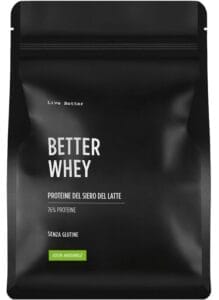
When you're not very hungry, it can be hard to want to eat. In America, where they have more experience with these medications, doctors prescribe them along with whey protein. Whey protein can be added to coffee (not boiling, otherwise it will curdle) or a fruit smoothie, so you can consume an adequate amount of high-quality protein in a small volume. Just 33g of whey isolate provides 30g of protein and 3.3g of leucine (essential for muscle synthesis).
ATTENTION: If whey protein is cheap, it may have been adulterated with low-quality amino acids. To figure this out, just look at the leucine content, which should be around 9g per 100g of product. If the content of individual amino acids is not reported, the product is likely of poor quality.
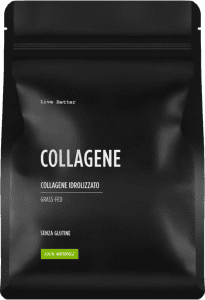
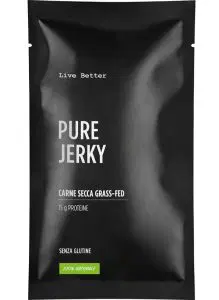
Among our bestsellers are several “GLP-1 friendly” protein-rich products: Better Whey, collagen, powdered egg whites, Pure Biltong, and Pure Jerky.
CURIOSITY: ARE WHEY PROTEINS AN ULTRA-PROCESSED FOOD?
It depends on what ingredients they contain. There are thousands of products on the market that contain whey, the famous shakes consumed by gym-goers. Many products contain synthetic ingredients like artificial flavors, stabilizers, and sweeteners, making them ultra-processed foods.
Whey are not ultra-processed foods because they are produced through a very simple process: milk whey (which is obtained from cheese production) is dried by spraying it into a chamber with hot air.
Products that undergo simple processes like this are defined as “processed foods.” Other examples in this category include: oil, butter, yogurt, salt, and honey.
Beware of nutritional deficiencies
When eating little, it's necessary to pay attention to the nutritional density of micronutrients as well as protein. Animal-based foods are the richest in bioavailable micronutrients: for example, just 10 grams of raw liver (11 calories) provide 1/3 of the daily requirement for vitamin A, B12, folic acid, calcium, iron, and zinc. (1)
If necessary, consult your doctor about supplementing with mineral salts and/or multivitamins.
Avoid “empty calories,” meaning those devoid of micronutrients: ultra-processed foods, sweets, sugary drinks.
Supplementing with collagen may help with skin elasticity. Take at least 20 g of pure collagen per day. Collagen contributes to your daily protein intake. Products containing vitamin C or other ingredients along with collagen cost significantly more but do not offer greater benefits. Vitamin C can be supplemented separately; it costs less.

Will I lose all my muscle?
People often say that “25–40% of the weight lost with GLP-1 is lean body mass,” and they assume it’s muscle, but that’s not the case. Lean body mass includes: muscle, water, glycogen, organs, connective tissue, and blood.
What is this 25-40% for lean mass loss made of?
– Adipose tissue contains about 15% of lean body mass, so when we lose fat, we inevitably lose some of this as well
GLP-1 drugs cause a lot of water loss because they reduce inflammation and insulin
– the loss of fat contained in organs (liver, muscle) is counted as lean mass
It is currently estimated that muscle mass loss accounts for only 10% of the total lean body mass lost during weight loss, or 2.5–4%.
In most GLP-1 drug studies, body composition has been measured with instruments (DEXA, BIA) that measure lean mass in its entirety, without distinguishing between muscle, water, organs, etc. MRI, on the other hand, specifically measures muscle mass. In one of the few studies (3) where it was used, it was found that muscle loss was similar to that which occurs with other types of weight loss, while the reduction of fat infiltrated into the muscle was greater than expected.
ATTENTION: If you do not consume enough protein, your body will take the amino acids it needs from your muscles. This leads to muscle loss. Muscle mass is crucial for living a healthy and long life.
How to preserve muscle
Modern life is too sedentary, and in fact, as we age, we lose muscle (sarcopenia). Our grandparents led much more active and strenuous lives than we do, and as a result, they enjoyed better health.
The truth is that muscle is lost if you don't use it and don't consume enough protein. This happens to everyone, not just those using GLP-1 medications!
For GLP-1 agonist drug therapy to be effective, it is necessary to engage in at least 2 resistance training sessions and 150 minutes of aerobic activity per week (a walk of about 20 minutes per day) (2). If you are starting from scratch and are significantly overweight, begin gradually. Resistance training includes: weightlifting (most effective), suspension training (TRX), calisthenics, functional training with resistance bands, cables, kettlebells, sleds, and sandbags.
HOW TO MANAGE GASTROINTESTINAL SIDE EFFECTS
Gastrointestinal disturbances are the most frequent side effects, especially at the beginning.
NauseaThese medications slow down gastric emptying, so you should eat slowly and not overeat. In more severe cases, opt for small, frequent meals (every 3–4 hours), maintain good hydration, reduce fats and fibers, and take ginger or mint tea.
Constipation: take plenty of fluids, soluble and insoluble fiber (prunes, dried fruit, high-water fruits and vegetables), titrated magnesium citrate. WARNING: when eating little and favoring protein, stool volume and frequency decrease. This is not constipation.
Diarrhea Limit heavy, fatty meals, consume fiber, and consult your doctor for anti-diarrheal medication if necessary.
Create a new lifestyle
GLP-1 receptor agonist drugs also work on the central nervous system by influencing hunger, satiety, and reward circuits. This can facilitate the adoption and maintenance of new habits.
Those who have developed new habits are able to maintain weight loss even after stopping the medication. On the other hand, those who return to their previous habits regain the weight. This happens in every weight loss journey.
Unlike other weight loss paths, something unique happens during GLP-1 medication therapy: the constant thought of food (food noise) disappears, and all the energy previously used for self-control can now be used to create new habits:
- eating healthy: it doesn't have to be boring, it can be VERY delicious, you just need the right recipes! On our website you can find many, like marshmallow e banana bread protein!
– Exercising: It's fundamental for staying healthy, even if you don't take GLP-1 medications. So, it's a habit everyone should adopt! You just need to find a workout you enjoy; there are so many options today!
COLLATERAL BENEFITS
In the twenty years of using these medications, several important benefits have been observed, which I have affectionately called “side benefits.”.
Side effects with solid scientific evidence:
Improvement of systemic inflammation (4)
Reduction of cardiovascular risk and mortality (5)
Heart failure improvement (6)
Improvement of kidney function (7)
Blood pressure reduction (8)
Improvement or resolution of fatty liver disease (9)
Reduction of obstructive sleep apnea (10)
Pain reduction and improved function in knee osteoarthritis (11)
Uric acid reduction (12)
Side effects with less solid but promising evidence:
PMOS Improvement (formerly PCOS, Polycystic Ovary Syndrome) (13)
Increased Fertility (14)
Reduction of tumor risk and metastatic progression (15)
Reduction of substance and behavioral dependencies (16)
Reduction of autoimmune disease symptoms (17)
Possible neurological benefits (Alzheimer's, Parkinson's) (18)
These benefits have led several doctors to hypothesize the use of GLP-1 at reduced dosages (microdoses) as a longevity therapy. It is a fascinating hypothesis, but one that requires further studies and evidence because these benefits were observed in individuals who were severely obese. Would individuals with a normal weight also experience these benefits? We do not know that today. Therefore, caution is necessary.
INSTRUCTIONS
Currently in Italy, GLP-1 agonist drugs can be prescribed (for a fee) for weight loss only in cases of:
- Body mass index of 30 kg/m² or greater (obesity)
– body mass index of at least 27 kg/m² and less than 30 kg/m² (overweight) and weight-related health problems (such as prediabetes, type 2 diabetes, hypertension, abnormal blood fat levels, breathing problems during sleep called “obstructive sleep apnea,” or a history of heart attack, stroke, or blood vessel problems).
Prescribing in the absence of these conditions is considered “off-label” use. The physician assumes professional responsibility and must carefully evaluate the benefit-risk ratio, in compliance with current regulations. For this reason, not all physicians are willing to prescribe these drugs outside their authorized indications.
In the case of diabetes, however, medications are paid for by the National Health Service, only when the criteria set by AIFA and the relevant therapeutic plans are met. Therefore, not all patients with diabetes are automatically entitled to reimbursement.
CONTRAINDICATIONS
It is crucial to communicate your medical history to your doctor because contraindications are linked to current or past pathologies.
ABSOLUTE: medullary thyroid carcinoma (personal or familial), multiple endocrine neoplasia type 2, pregnancy, breastfeeding.
TO BE EVALUATED: previous pancreatitis, gallstones or bile duct stones, cholecystopathy, severe gastroparesis, severe gastrointestinal disease, unstable diabetic retinopathy (for semaglutide Wegovy/Ozempic only)
I hope this insight has been helpful in increasing your awareness!
Knowledge makes one free!
PHYSICIANS EXPERIENCED IN PRESCRIBING GLP-1 AGONIST MEDICATIONS
Non conosco personalmente tutti questi medici, diversi nominativi arrivano dalla nostra community.
Se non si hanno le indicazioni previste dal farmaco (indice di massa corporea superiore a 27) consiglio, prima di fissare un appuntamento, di inviare una mail spiegando la propria situazione per verificare se il medico prenda in considerazione la prescrizione “off-label”.
Dr. Raffaella Pajalich, endocrinologist, consults in Rome, Milan, and online
Dr. Francesca Manfra, medico nutrizionista, riceve a Napoli, Maiori, Amalfi, Mercato San Severino e online
Dr. Michele Bonaccorso, medicina della longevità, riceve a Milano
Dr. MariaGrazia Croccia, Aesthetic doctor, sees patients in Livorno, Pisa, Pistoia, Policastro, and online
Dr. Valerio Solari, longevity doctor, receives in Milan, Rome, Chiavari and online
Dr. Manuela Rigo nutrizionista in collaborazione con dott.ssa Barbara Patruno fisiatra, riceve a Monza e online
Dr. Barbara Patruno, Physiatrist, available for appointments in Milan and online
Dr. Pietro Mignano nutrizionista in collaborazione con il dott. Erik Gozzo medico, ricevono a Roma e online
Dr. Veronica Tempera medico, riceve a Roma e online
Dr. Ilaria Rossiello, medico, riceve a Tolentino, Civitanova Marche e online
Dr. Andrea Fabbri, endocrinologo, riceve a Roma
Dr. Gianleone di Sacco, endocrinologo, riceve a Milano
Prof. Emanuele Bosi, primario endocrinologia ospedale San Raffaele Milano
Dr. Mattia Biagi, medico estetico, riceve a Montecchio Maggiore (VI)
Prof- Marco Minetto, medicina fisica e riabilitativa, riceve a Torino
Dr. Silvia Pasquini, endocrinologa e diabetologa, riceve a Grosseto e online
Dr. Federico Vignati, endocrinologo ed esperto malattie del metabolismo, riceve a Milano e online
Dr. Luca de Martinis, specialista in endocrinologia e malattie del metabolismo, riceve a Milano, Paderno Dugnano (MI) e Gaggiano (MI)
Dr. Sara Farnetti, specialista in medicina interna, Ph.D. in Fisiopatologia della Nutrizione e del Metabolismo, riceve a Roma e online
Dr. Francesca Guidetti, specializzata in medicina funzionale, terapia ormonale bioidentica e nutrizione clinica, riceve a Como e online
Dr. Mee Jung Rachele Mattarello , esperta in endocrinologia e malattie del metabolismo, riceve a Vicenza
Dr. Mario Verri, specializzato in endocrinoliga e geriatria, riceve a Penne (PE), Spoltore (PE) e Tortoreto Lido (TE)
Dr. Monica Costantini, dottoressa nutrizionista, esperta in salute ormonale, metabolismo e ricomposizione corporea, Trento, Val di Fassa e online
Prof.ssa Simona Bertoli, responsabile clinico dei centri obesità Lombardia, Auxologico Ariosto, Milano
Dr. Cristina Ciuoli, endocrinologa, Siena e Arezzo
Dr. Giovanni Carlo Cesena, chirurgo presso Policlinico San Marco, Zingonia (BG)
Dr. Thalia Rossi, medico specializzato in medicina generale, longevità, medicina estetica, medicina funzionale, riceve a Brugherio, Milano e online
Dr. Irene Rezzi, medico chirurgo diabetologo, specializzanda in scienze della nutrizione, riceve a Chioggia – Sottomarina (VE)
Centro Nutrizione Prevenzione, centro medico specializzato in dietologia, medicina estetica e medicina multidisciplinare integrata, Pordenone e Conegliano
Dr. Laura Lizzul, specializzata in endocrinologia e malattie del metabolismo, riceve a Treviso
Dr. Maria Elena Spinelli, medico chirurgo, specializzata in medicina anti-aging, riceve a Vicenza
Dr. Giulia Milillo, specialista in medicina interna e malattie vascolari, riceve a Foligno
Prof. Luca Busetto, specializzato in geriatria, opera presso azienda ospedaliera di Padova e il centro per lo studio e il trattamento integrato dell’obesità, Padova
Dr. Giovanni Marco Monzani, specializzato in endocrinologia e malattie del ricambio, riceve a Busnago, Peraga di Vigonza (PD), Sondrio e online
Dr. Elisa Lapini, biologa nutrizionista, lavora nella equipe del centro obesità e nutrizione clinica di ospedali privati, Forlì
Dr. Valerio Spuntarelli, medico internista, policlinico Gemelli, Roma
Dr. Martina Cortesi, biologa nutrizionista, Roma
Any doctor can prescribe the medication; no specific specialization is required.
BIBLIOGRAPHY
1) https://pubmed.ncbi.nlm.nih.gov/35321287/
2) https://pubmed.ncbi.nlm.nih.gov/40445127/
3) https://pubmed.ncbi.nlm.nih.gov/40318682/
4) https://pubmed.ncbi.nlm.nih.gov/33830637/
5) https://pubmed.ncbi.nlm.nih.gov/37952131/
6) https://pubmed.ncbi.nlm.nih.gov/37622681/
7) https://pubmed.ncbi.nlm.nih.gov/38914124/
8) https://pubmed.ncbi.nlm.nih.gov/41128495/
9) https://pubmed.ncbi.nlm.nih.gov/38856224/
10) https://pubmed.ncbi.nlm.nih.gov/41540105/
11) https://pubmed.ncbi.nlm.nih.gov/39476339/
12) https://pubmed.ncbi.nlm.nih.gov/35384008/
13) https://pubmed.ncbi.nlm.nih.gov/41508932/
14) https://pubmed.ncbi.nlm.nih.gov/37940910/
15) https://pubmed.ncbi.nlm.nih.gov/38967919/
16) https://pubmed.ncbi.nlm.nih.gov/39032839/
17) https://pubmed.ncbi.nlm.nih.gov/41074143/
18) https://pubmed.ncbi.nlm.nih.gov/39919773/




Thank you Elena for your always very useful insights.
Lorraine
I would also like to report the excellent Dr. Claudia Venturini, an expert in GLP-1 protocols.
Thank you!
Hello, thank you for sharing this information. If I hadn't listened to your live streams, I would never have thought that these injections would also be suitable for someone like my husband, who has the same knee problems as you. I wanted to kindly ask you something I didn't understand. My husband is quite thin, could he consider/start this treatment? P.S. In April, he had an ischemic stroke. Infinitely grateful 🙏🏻
Barbara
Hi Barbara
These medications are not indicated for treating knee osteoarthritis pain. They are conducting studies, so perhaps in the future they will be. If your husband is already thin, I doubt he will find a doctor who will prescribe it off-label, because the medications do cause weight loss. If he has bone edema, shockwaves and, clearly, muscle strengthening helped me a lot.
Hi Elena, I didn't quite understand about the daily dosages of collagen and whey to take. For example, if I take 28 grams of collagen in the evening with a glass of water (7 scoops), how much whey should I add throughout the day to meet my protein needs? Thanks again.
Hi Victoria,
A woman should consume at least 90 g of protein. 28 g of collagen is equivalent to 26 g of protein. Therefore, another 64 g are missing. Of these, 30 g could be whey (33 g of Better Whey isolate) and then the remaining 34 g would be good to get from food, for example, 140 g of chicken breast.
Hi Elena, I've been following your videos for a while and really appreciate them. Lately, I've been following BETTER RESET. My question is a bit off-topic, but I hope you'll still consider it.
It concerns the peptides you discussed with Dr. Balducci and that I would like to order through the website you indicated.
What made you prefer GLP-1 over BCP157 and TBC500?
Thank you
Hi Fausta,
Mounjaro is an approved drug, so **MANY** clinical studies have been done on it, and it is produced by a pharmaceutical company under strict controls. BCP157 and TBC500 are currently “illegal”. They are purchased on sites that sell them “for research purposes,” but they cannot be sold to individuals for personal use. There are no clinical studies on humans for them, so I thought I would try an official peptide first.
Grazie per l’approfondimento, ma quindi, se una persona è senza colecisti, il farmaco è controindicato?
Aver subito una colecistectomia non rientra tar le controindicazioni come hai visto nell’approfondimento. Bisogna però valutare insieme al medico perché se in passato c’è stata una pancreatite da calcoli, tirzepatide va valutata con maggiore cautela: il foglietto EMA precisa che non è stata studiata adeguatamente nelle persone con precedente pancreatite.
Anche senza colecisti possono raramente formarsi o rimanere calcoli nelle vie biliari; quindi il rischio biliare non diventa letteralmente zero. Parlane con il tuo medico.